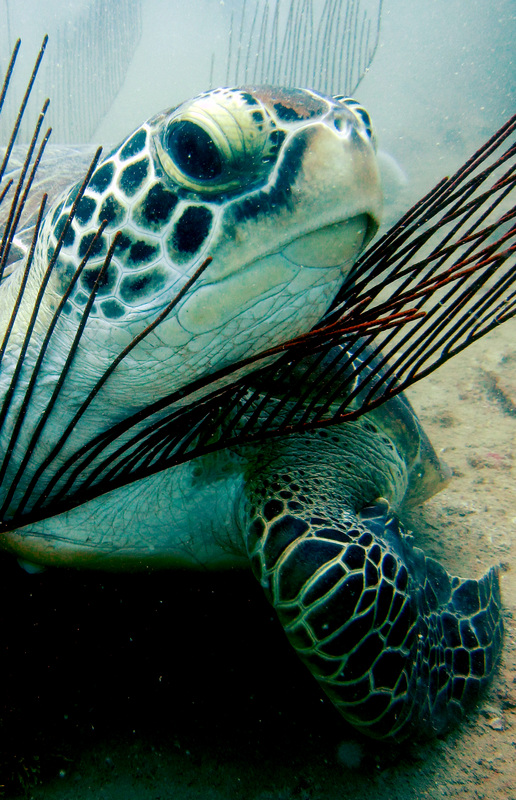
Diving, photographing and defending the reefs of Bintan and Nikoi Island — the coral, the fish, the fishermen who share the water, and the slow work of protecting what's left. Click any photo to see it full size.
"It is a complex underwater biome, a vital part of the oceanic world, a testament to the power of Nature, a historical record of our past, a teaching in the fragility of ecological balance, a declaration of biodiversity — but above all a healthy coral reef is a living sculpture of great beauty."
The reefs around Nikoi Island sit on the Sunda shelf, a shallow shelf rarely deeper than 20 meters, swept by strong tidal currents. The water is often murky, and the diving here was never meant to be "world class" — but look closely and the biodiversity is extraordinary: fringing reefs, mangrove flats, sand flats, rubble patches, seagrass beds, soft coral gardens, granite boulders, swim-throughs and ledges, each with its own community of plants and animals.
"Nikoi reefs are surprisingly resilient, and considering the various pressures from fishing and pollution drifting from the South China Sea, the reefs are relatively healthy." Since the island opened as a resort, the most destructive fishing methods — dynamite fishing above all — have stopped locally, and species like grouper have started coming back into view.
"Nikoi, on the other hand, not unlike the analogy of Noah's ark, has still enough of each species to pursue an effort towards total protection of its waters."
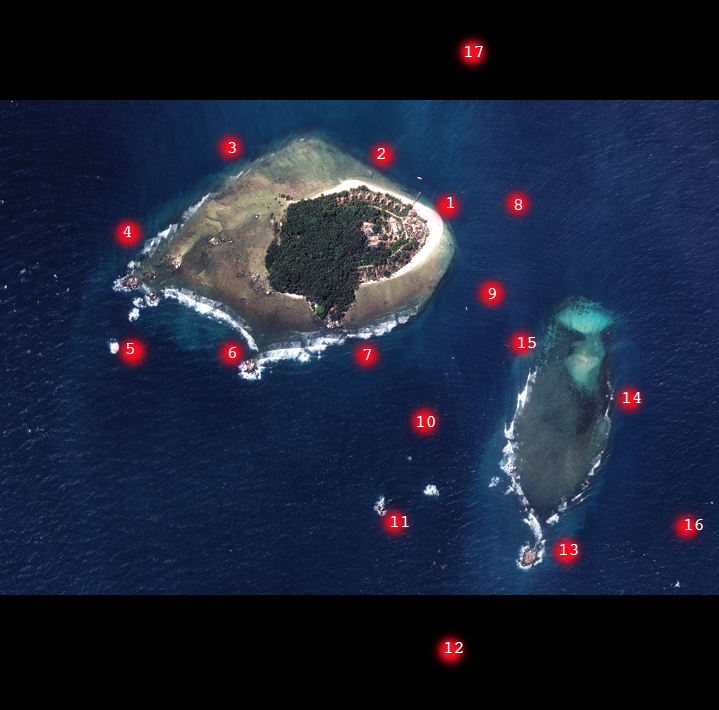
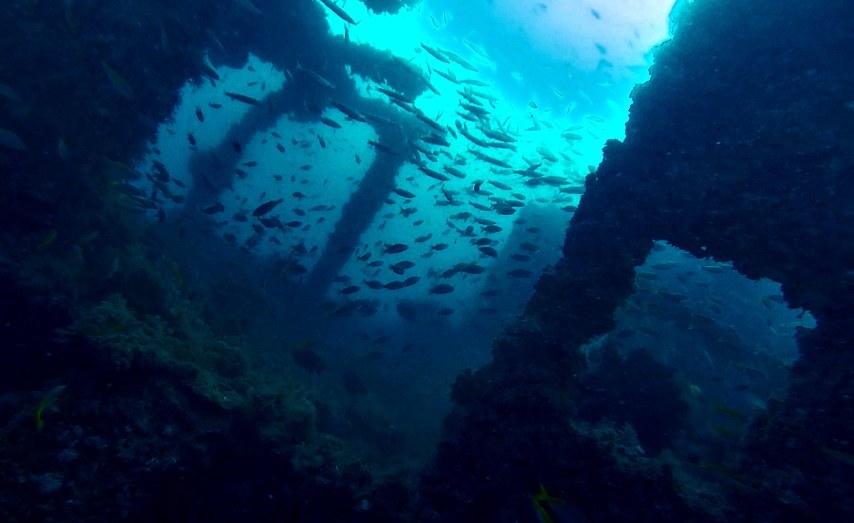
Seventeen named sites ring Nikoi Island, each with its own character shaped by current, depth and season — from the House Reef by the jetty to I Pod Rock's soft-coral gardens sixteen to eighteen meters down on the edge of the Sunda Shelf.
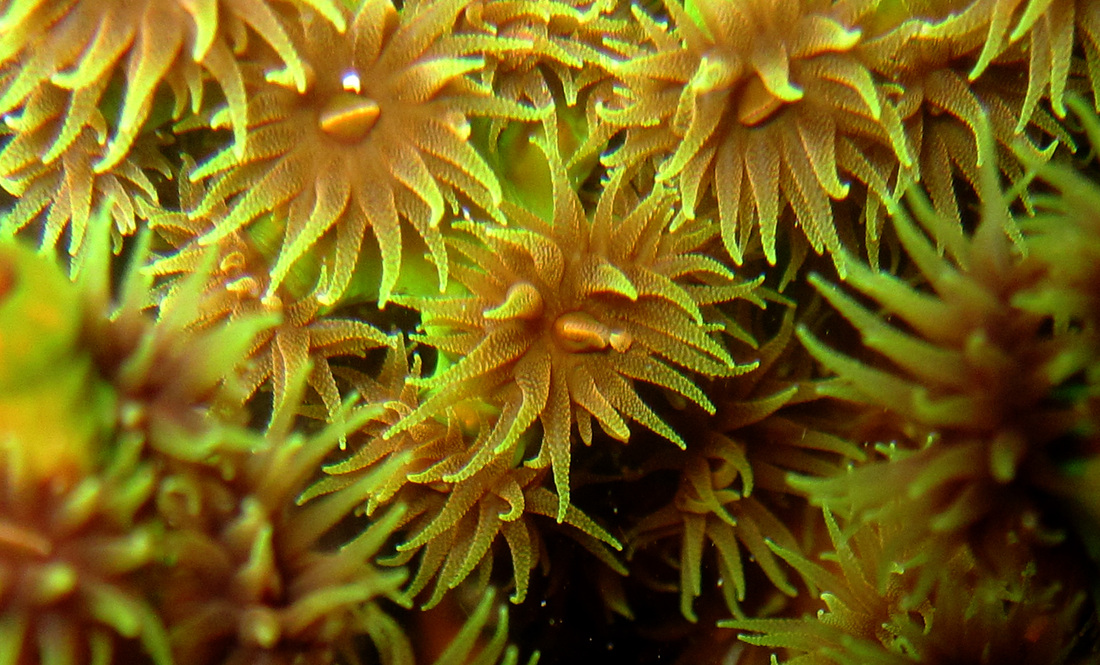
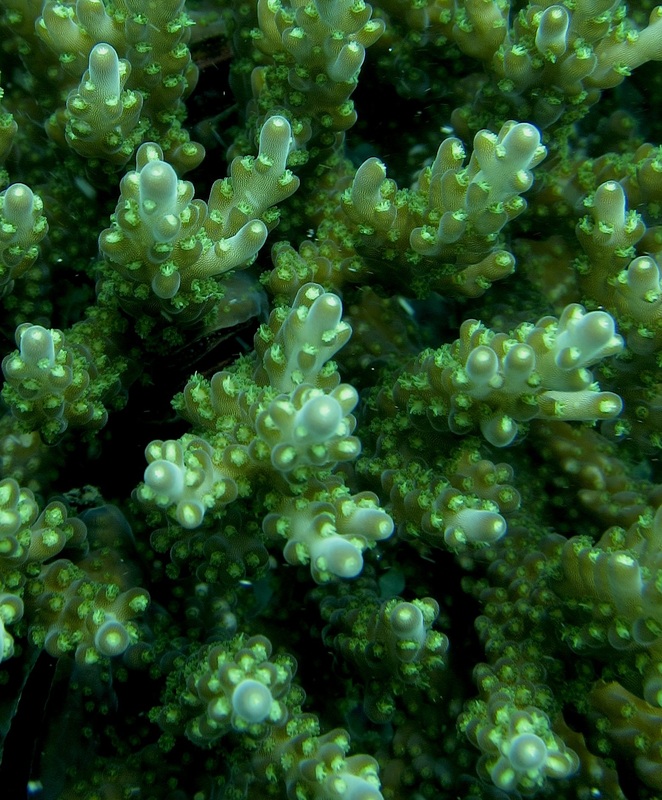
Strong current, table acropora bent by the flow, yellow tubasteras open in daylight, sweetlips and three fusilier species. Deep seawhip gardens below.
"There are more blue-spotted stingrays than anywhere else. We found 12 of them in only one dive."
Seawhip gardens and crevasses that may hold the last of the region's lobsters; nesting-season ledges for hawksbill turtles.
A shallow plateau of dense hard coral — accessible only in calm weather, when the swell doesn't churn the top.
Boulders a hundred meters out, trevally and anthias schooling in the current. "We do need some current to attract the fish."
Algae-stressed and overfished, but still teaching: living coral beside dead, sedimentation in progress, a place to watch a reef under pressure up close.
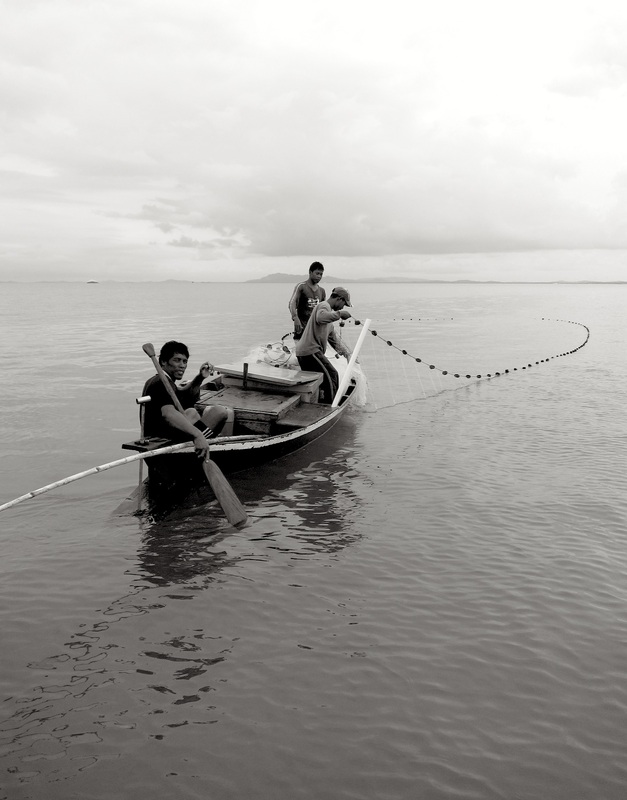
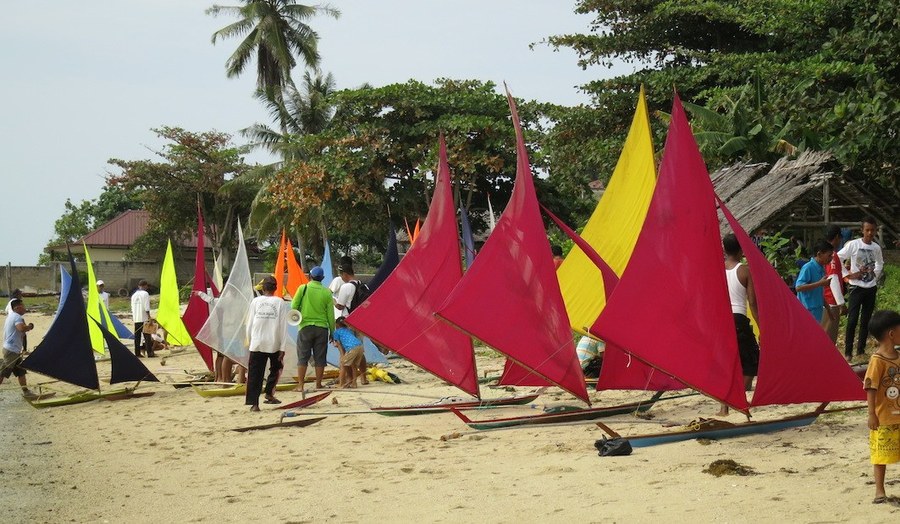
The fishermen. "Three men in a small prahu, they specialize in needlefish, encircling the school with a net. The weather needs to be calm. A good sustainable practice — the nets never touch the reef, and the fish are sold locally to the community."
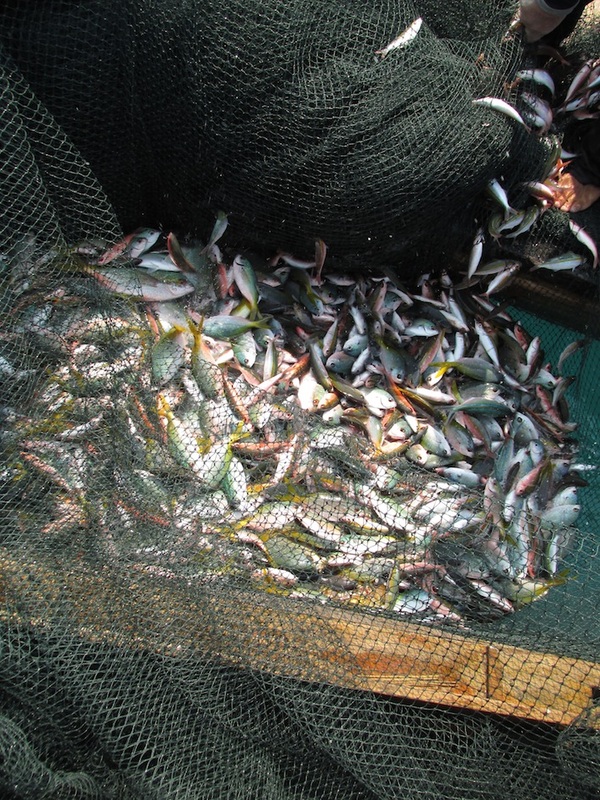
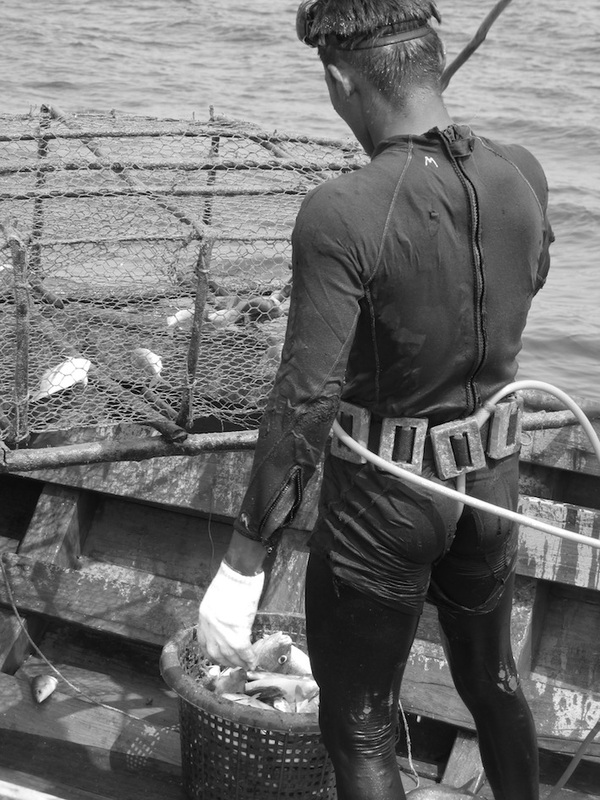
Not every method is so gentle. The "pukat" fine-mesh net "takes everything in one go" — local fishermen have been persuaded, village by village, to keep it out of the reef areas, though whether the promise holds long-term is never certain. Wire-mesh bubu traps used to be dressed with live coral broken straight off the reef; years of conversation have shifted most fishermen to dead coral instead — "the fisherman are paying attention, and showing respect."
Grazing fish are the reef's gardeners — parrotfish, surgeonfish, rabbitfish keep algae from choking the coral. "Without them, algae would get the upper hand and eventually choke the coral reefs." That's what makes overfishing, not just dynamite or cyanide, the deepest long-term threat.
What's being done, quietly, on the water:
"Think globally, act locally!" — echoing Gotong Royong, the Indonesian principle of shared effort.
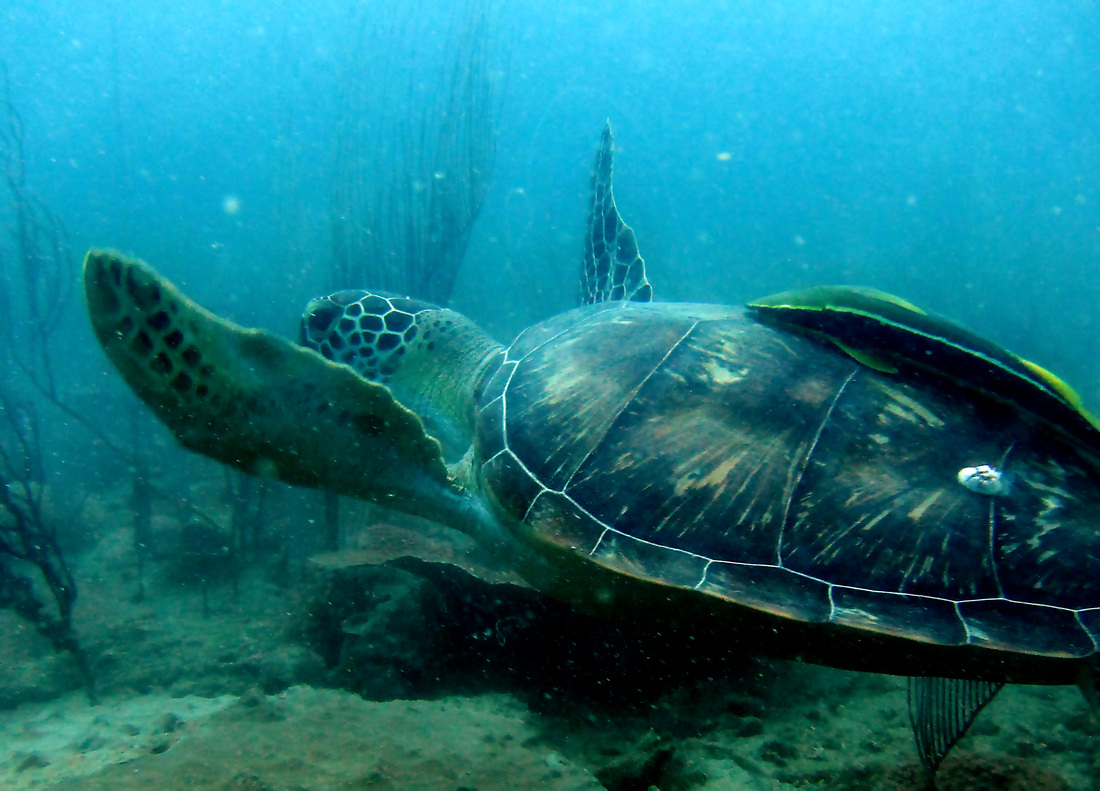
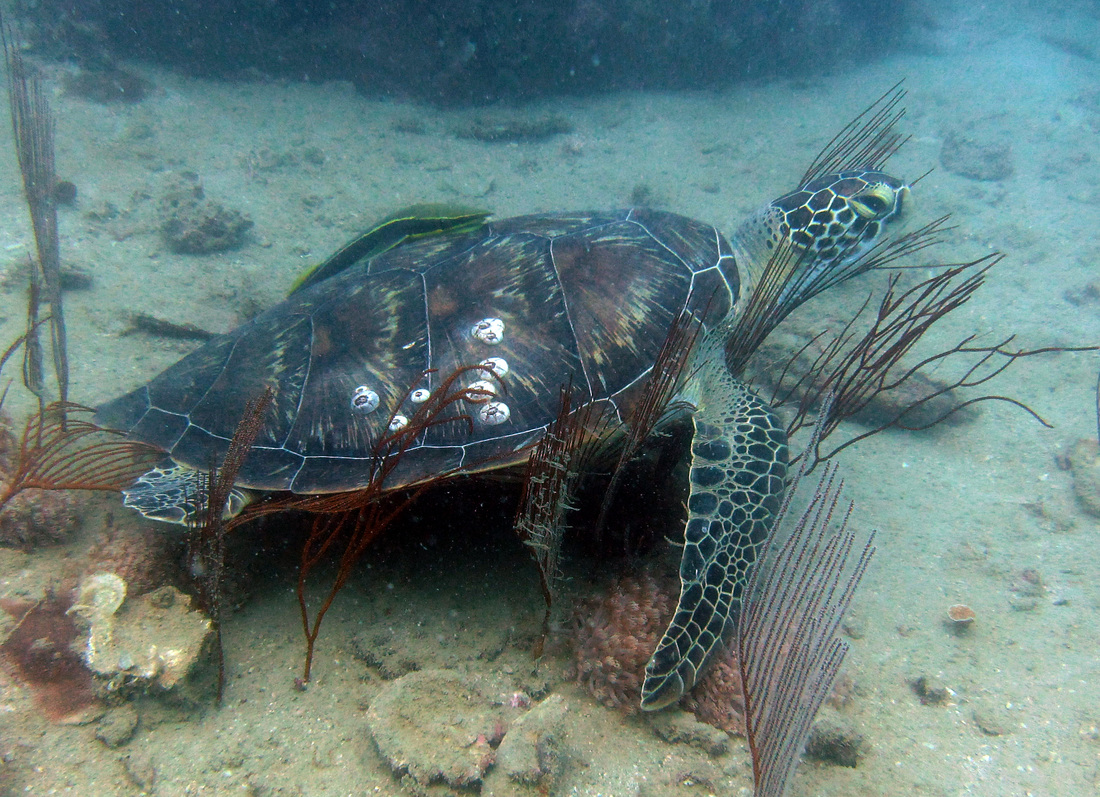
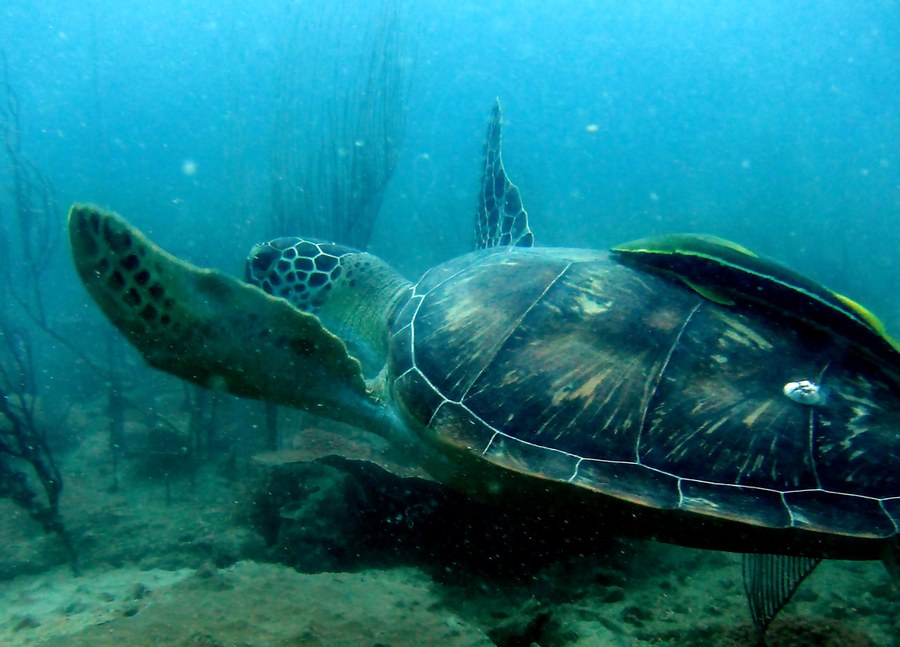
Two species nest on Nikoi's beaches — the Green turtle and the critically endangered Hawksbill. Around 60 to 140 eggs per nest, a 60-day incubation, nesting season running March through September. In 2011 alone: 67 nests, roughly 4,000 successful hatchlings.
The program's philosophy, in its own words: "do less to achieve more. Leave nature alone, stay out of the way if we can, enjoy it while we can and help when it is necessary." Nests are fenced only against monitor lizards; no artificial incubation unless the eggs are genuinely at risk. Unlike much of the wider Riau Archipelago, nobody harvests the eggs here — "a real contribution to the protection and conservation of the ocean" — though turtle eggs are still openly sold as a delicacy in Tanjung Pinang.
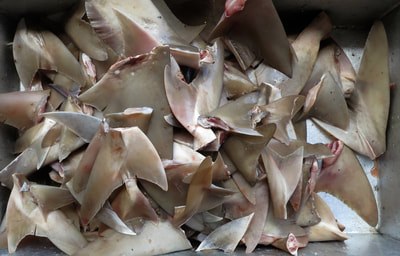
The shark market on Bintan, and an unfiltered take on where the responsibility actually sits. Fair warning — some of what follows, in the photographs and the words, is unflinching.
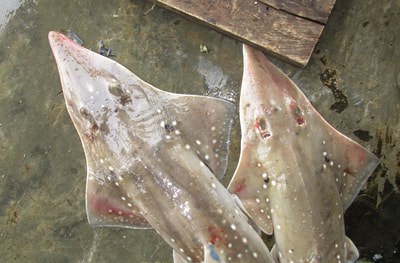
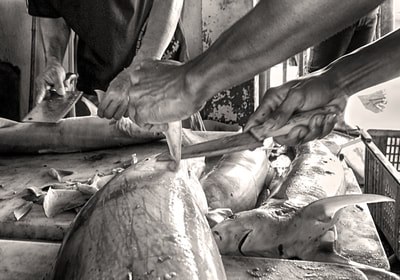
A Boat goes fishing, casts its nets, and as they raise the nets, sharks are caught, most already dead.
They bring their catch to the middle man, the Chinese Toke, here on Bintan, and get a cut on the catch — not much at all.
The sharks are quickly cleaned and the fins cut to start the drying process.
Small, big, anything goes, and eventually finds a buyer. This is the Asian system where everything that can turn some cash is used and definitely not thrown away. For some shark species the meat goes straight to Singapore, processed into fish balls for soups.
The system in other places is just to cut the fins and throw the rest out to sea. The issue of by-catch is enormous — reports of over 60% of the catch thrown back, even in the big commercial fisheries, including the ones that wear the more fervent green ethics.
So to the credit of the local fishermen and the Toke here, there is no waste. But money is money, and no money, no honey. So the last wilderness is combed through to bring back the last catches. No place to hide for the fish.
Contrary to the belief that the sea can be policed, it cannot — not without military-style surveillance, at huge expense, and most of the time to protect and benefit the future profit of giant corporations. The one who always suffers at the end of the day is the small fisherman.
It is the consumer that buys, and keeps buying no matter the price tag — as long as people believe it makes them more powerful, more potent. For all the ones who pledge not to, most will keep doing it in private. The practices simply move underground.
So any hope? Very little, I would say. And for a conservationist, I am right now shooting myself in the foot — this guy cannot achieve anything with that mindset. What we really need to do is take the bull by the horns, and like in most cases, that bull is so strong it either kills you, cripples you, or you just let go and watch it destroy the place while you lose. And no one likes losers. So the art of looking successful is to drop the grand dream of the impossible and keep working on very small issues you know you can turn into a positive story. And then people will clap.
It is time to speak honestly, speak the truth, stop selling the idea that you are saving the world, accept the facts, and make the move you can. Many are also making a living out of the desperate need to help — some NGOs have budgets that would feed the entire village they claim to help, but most of it gets recycled into the cybersphere and cocktail dinners to keep some money flowing. The people at the end always, always receive only the trickles, the droplets from a stream. There is no proportionality anymore. And until that gets resolved, no end of the tunnel is in sight.
1. Stop eating shark fins.
2. Stop eating shark fins.
3. Stop eating shark fins.
Until the demand stops, there is no way — absolutely no way — to stop the genocide taking place in the world's oceans right now. The fisherman is not the one to blame. The consumer is.
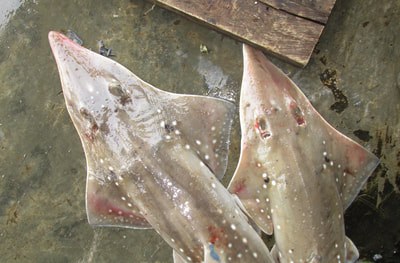 War on the Biosphere
A running log of what turns up on the reef — the Nikoi blog, "Tales from the Islands," going back to 2011:
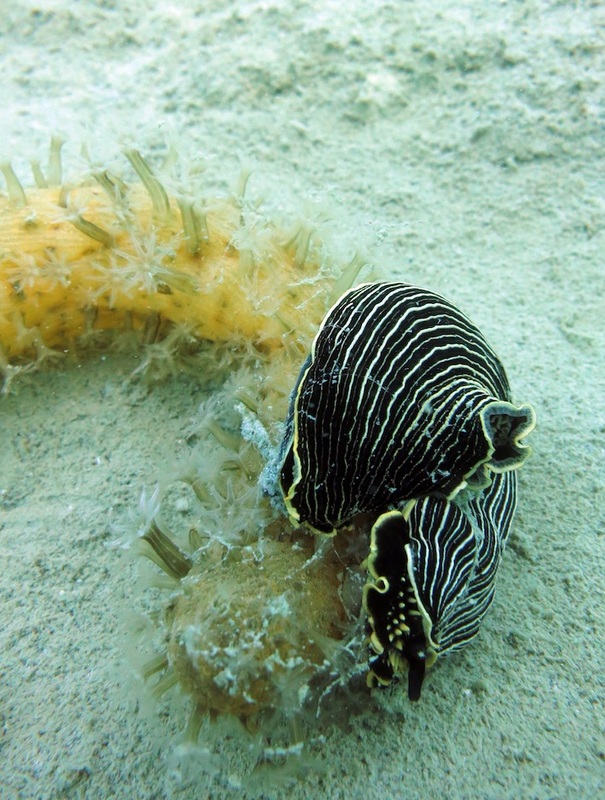
"The male, on top of the female, but not to have sex, but to make sure no one else does while she is busy preparing the casing for her eggs." Cuttlefish here have "some of the best camouflage abilities from the entire animal kingdom" — three hearts, colorblind, but no blind spot. "I left under some kind of hypnosis from the magic of evolution."
Baby coral taking hold, an old sweetlip that knew it was no threat, flatworms finishing off a soft coral, a cowry shell still growing beauty — "all taken in a single dive around Nikoi island."
Shifting sand uproots a soft coral; three more flatworms are already converging from thirty meters away. "How do they do it? Telepathy?"
March 2014 — "a new species for the area," and, in part, an invasive one.
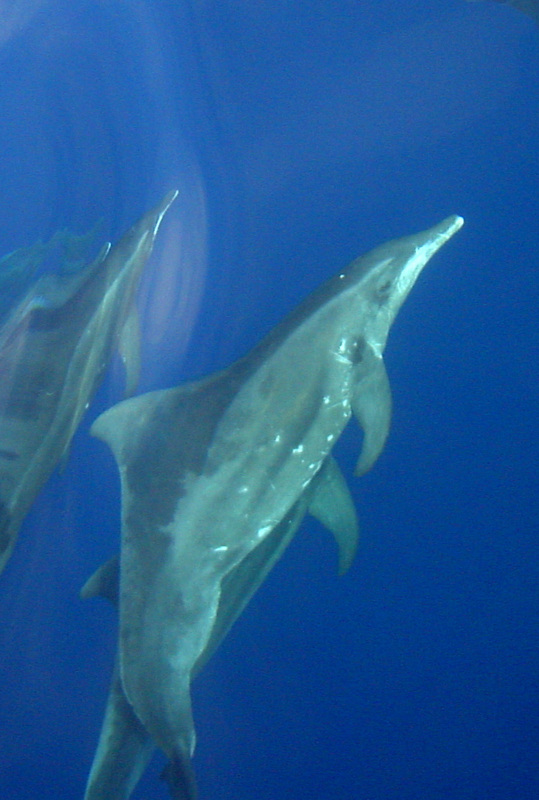
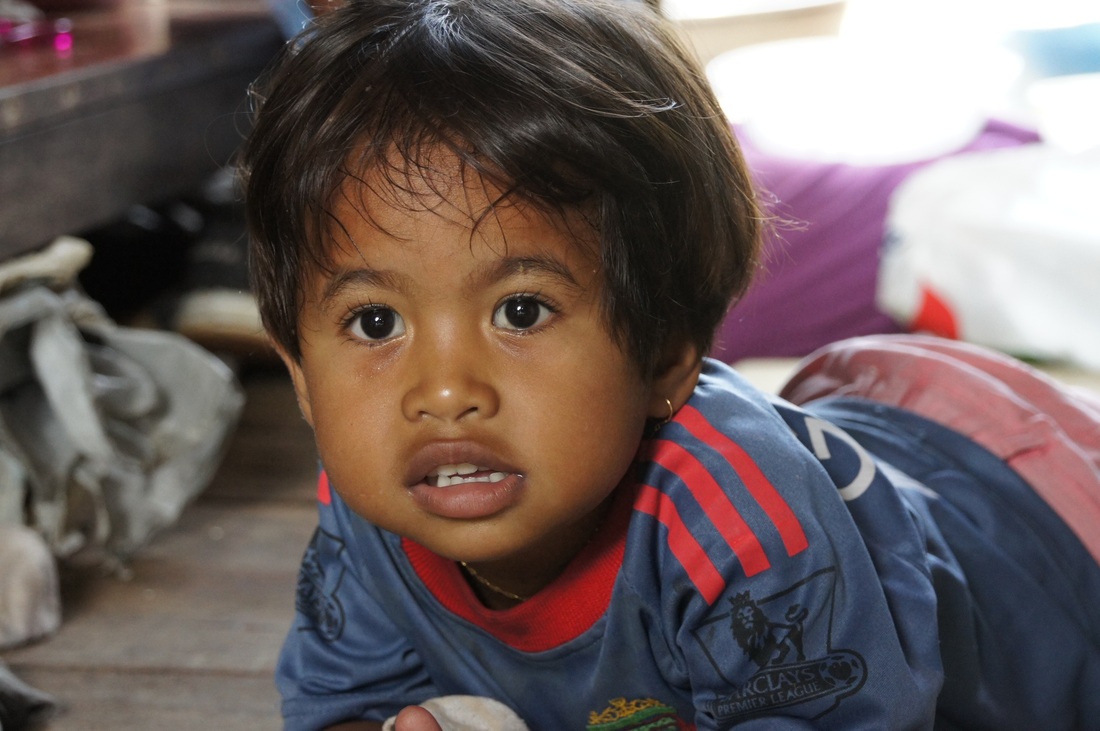
Every photograph behind this section, in full — click a cover to open its gallery and scroll through all of it.
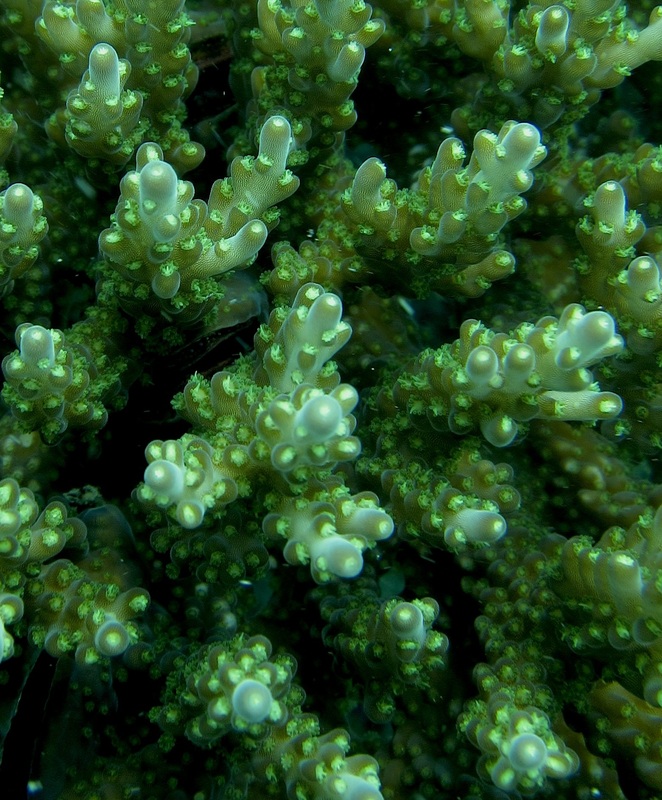 Coral Species
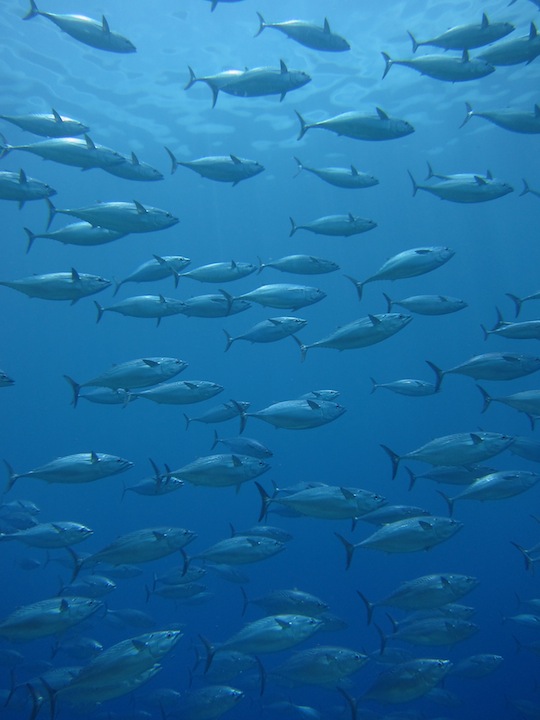 Bawah Underwater
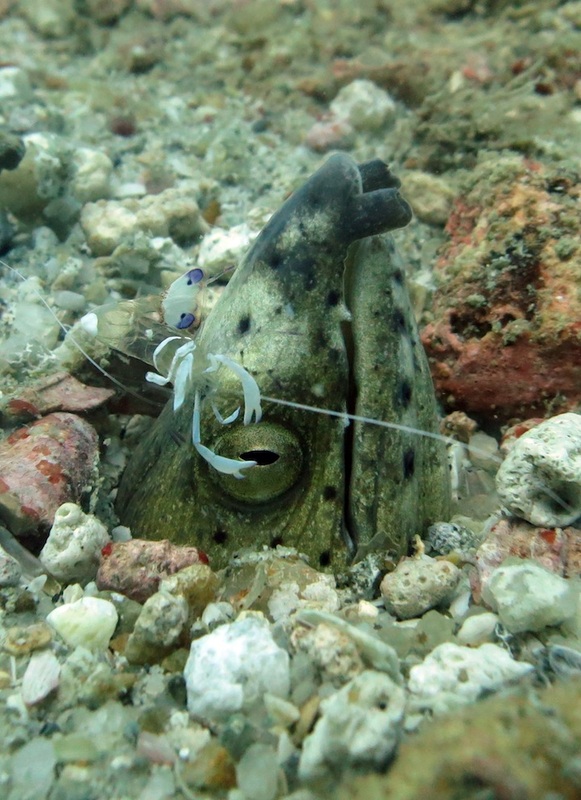 Underwater Times
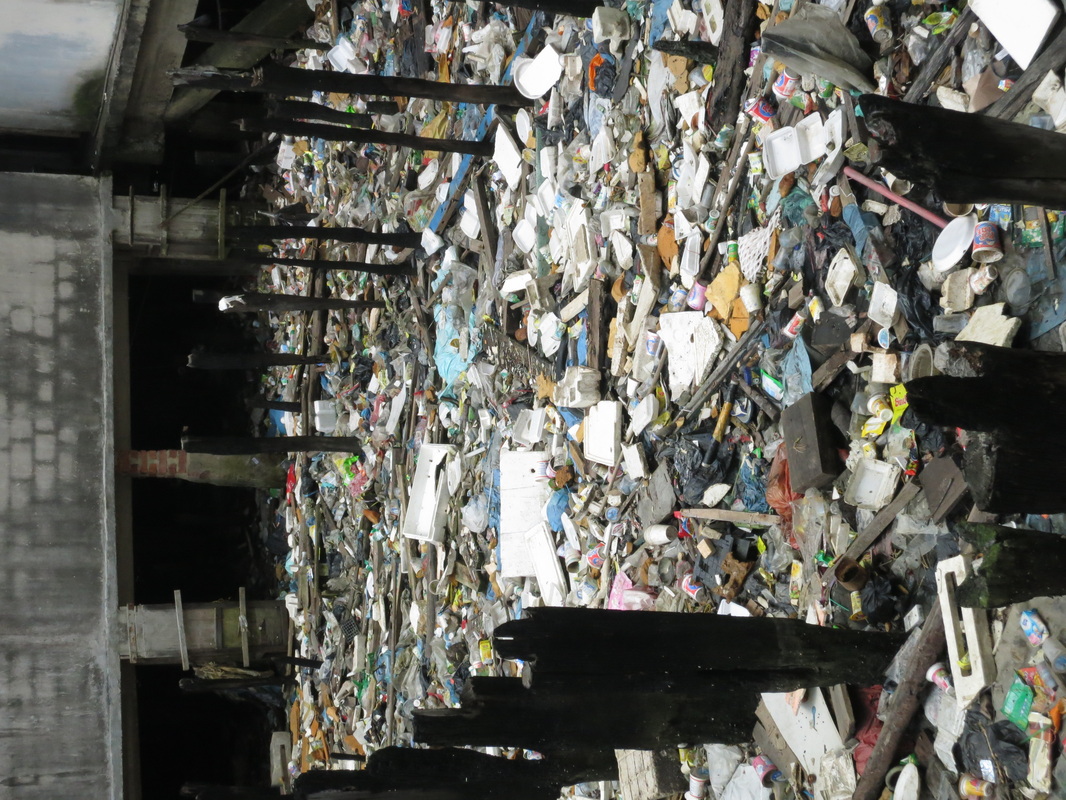 Conservation Work
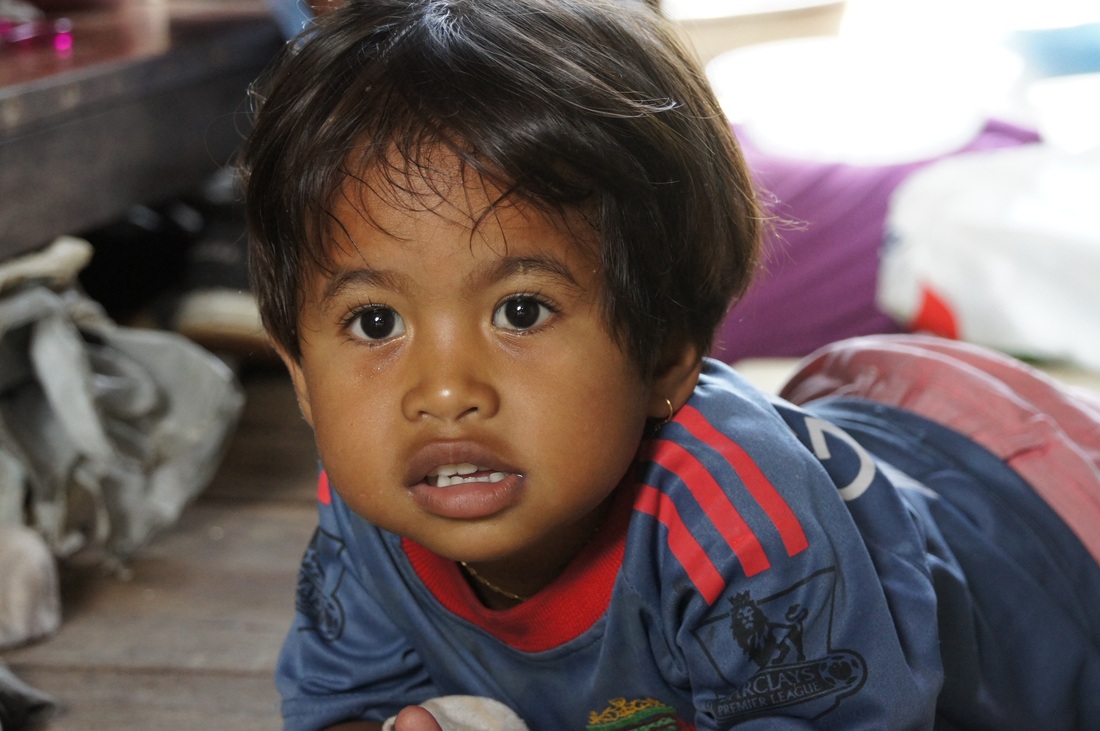 Orang Laut — Sea People
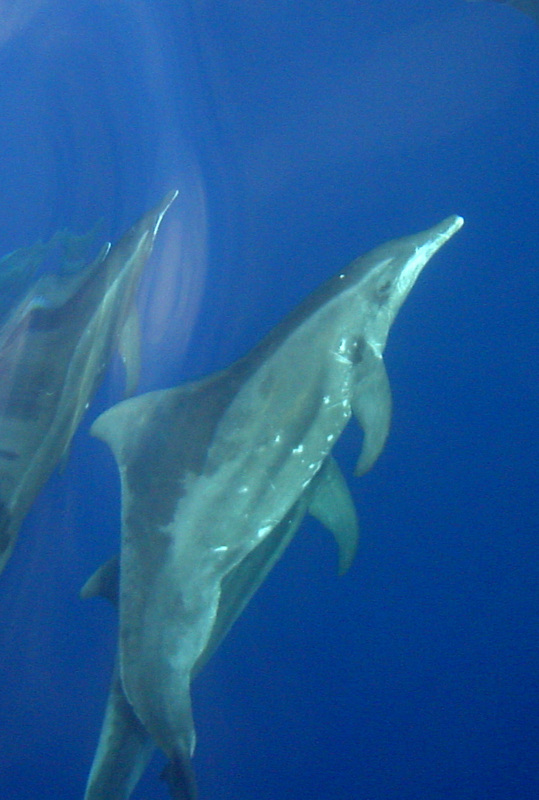 Whales & Dolphins
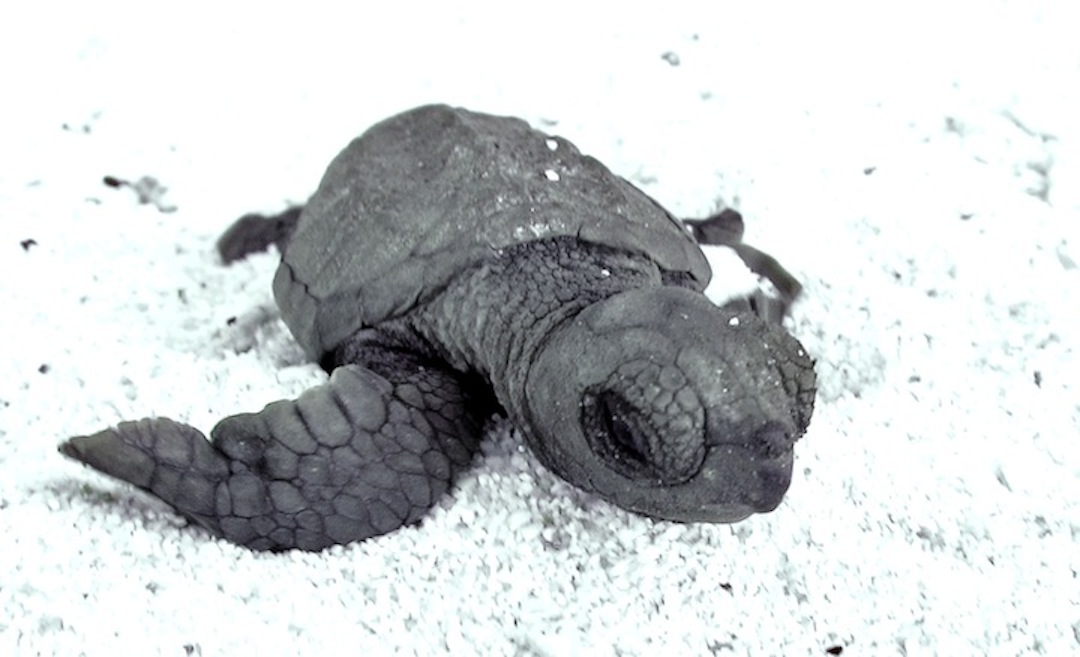 Nikoi Photo Gallery
 Conservation Surveys
 Dive Sites & Wrecks
 Creatures & Critters
 Field Journal
 People & Community
 Below the Water Line