Painting · Sculpture · Installation

Art

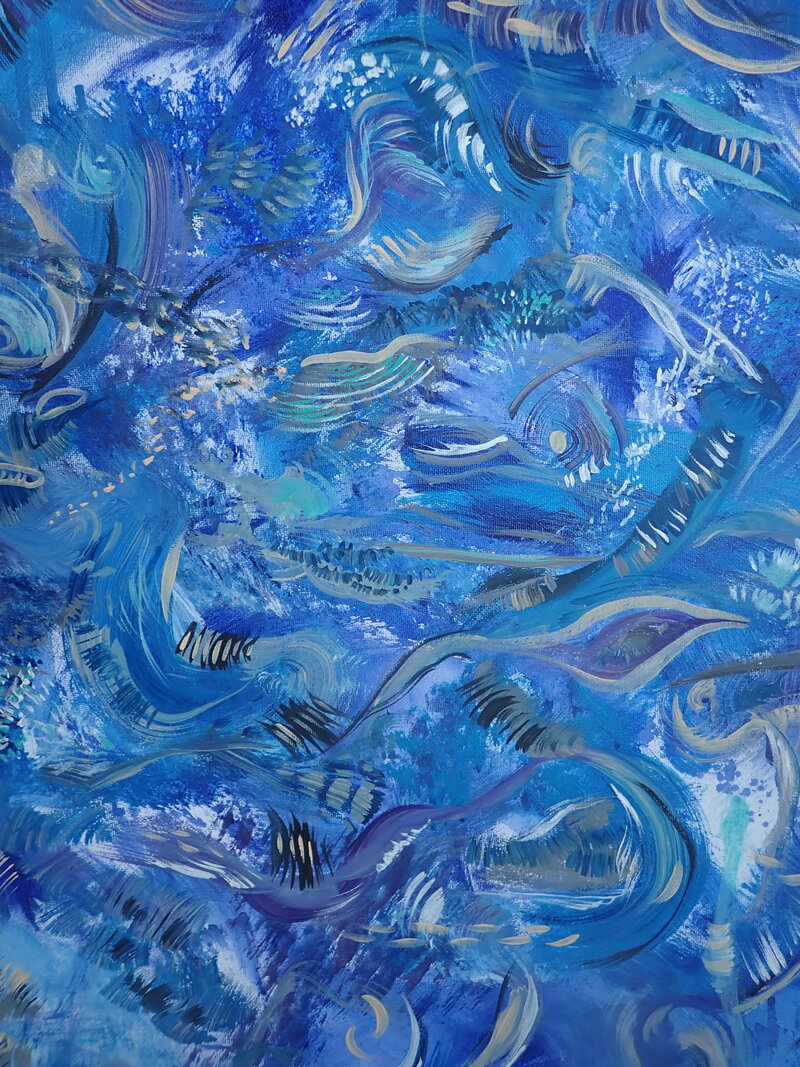
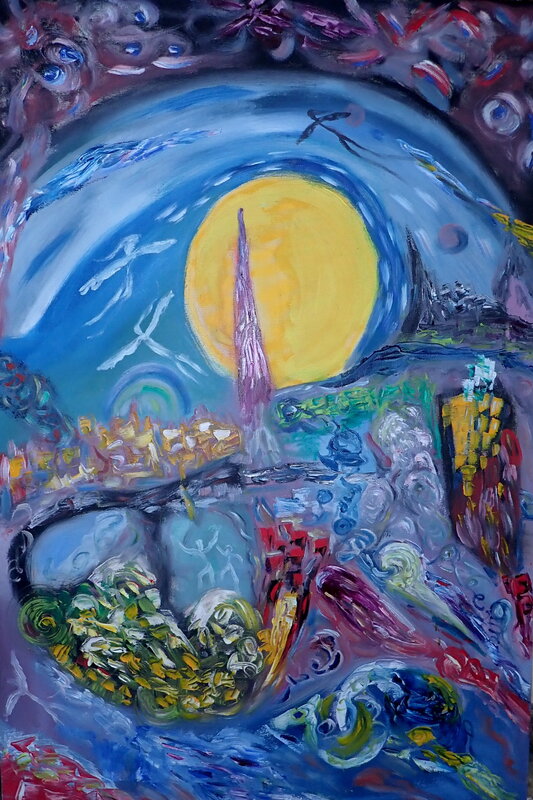
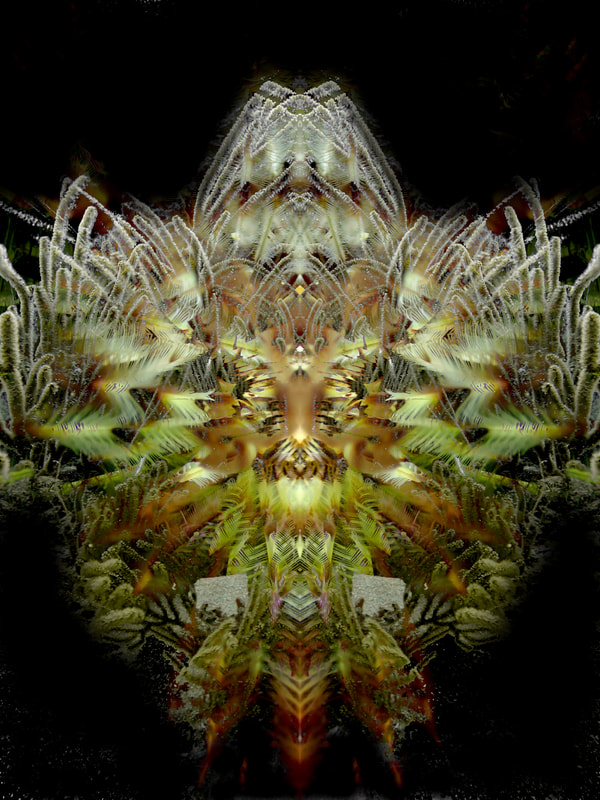
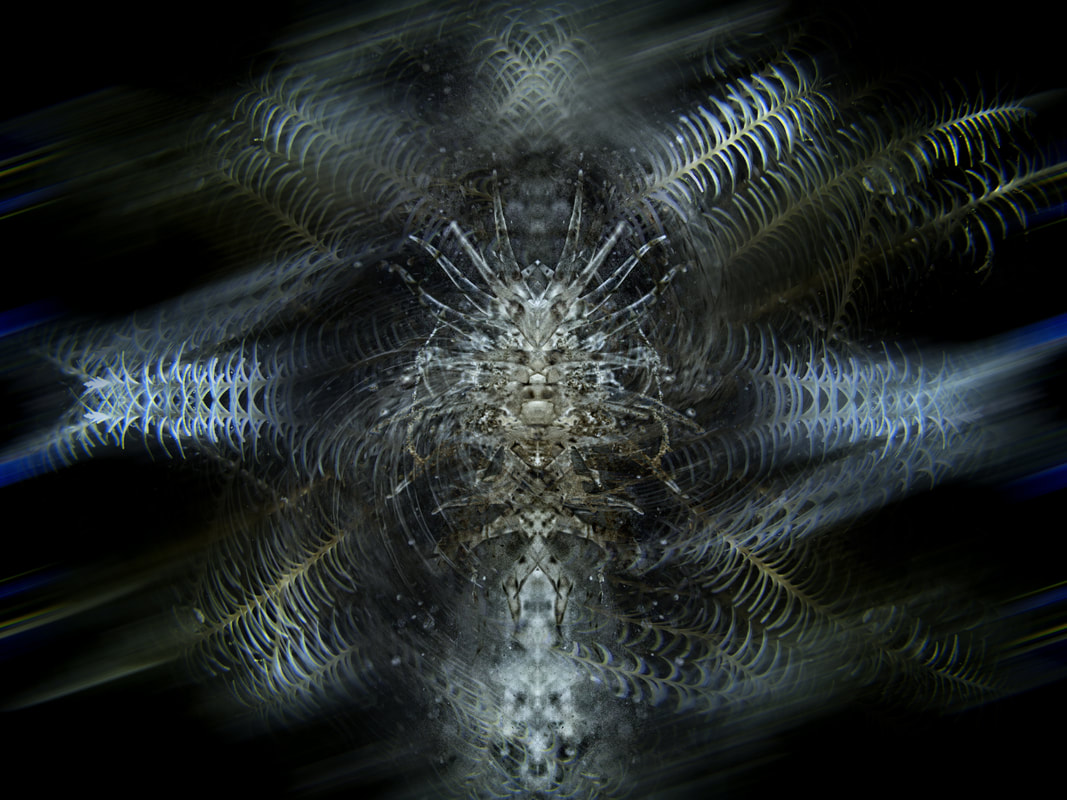
Three decades of work, almost all of it starting the same way — underwater, with a camera, chasing a moment worth keeping. Click any image to see it full size.

About the Artist

Michel Lippitsch describes himself as a synergist at heart — curious, an environmentalist, and an ethnographer deeply attuned to the rhythms of life and the biosphere. Painting, sculpture, photography, sailing, cooking, diving and now music are all part of the same restless practice, one discipline feeding the next, most of it starting underwater with a camera and ending up on canvas, driftwood, or whatever material the moment calls for. Years leading expeditions aboard the RV Heraclitus, founding the Jong World racing community and Planet Samudra, run through the work as much as any single medium does. He lives and works from Bintan, Indonesia.

Photo placeholder — send over a portrait to go here.

Art Galleries

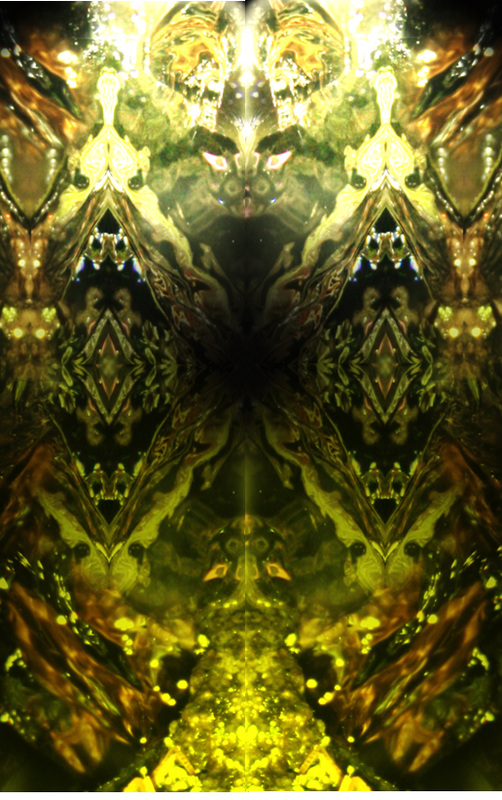
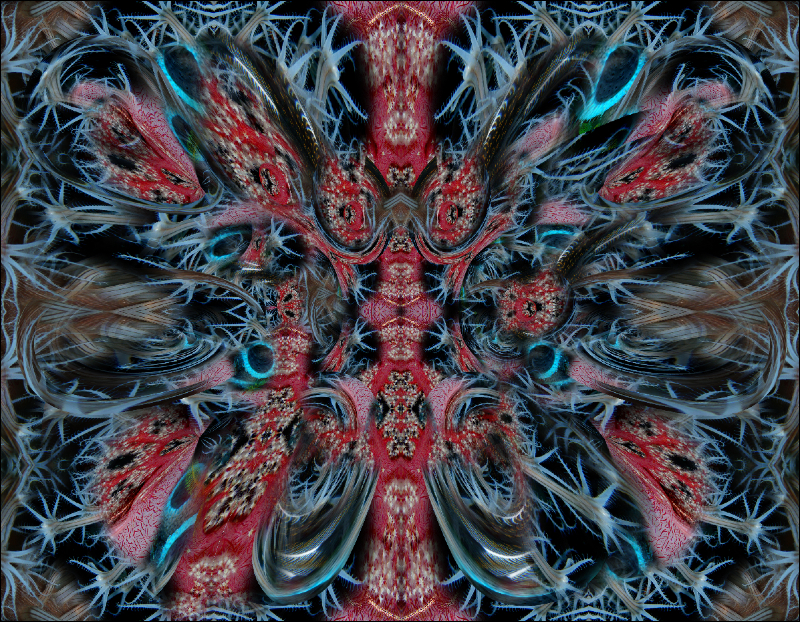
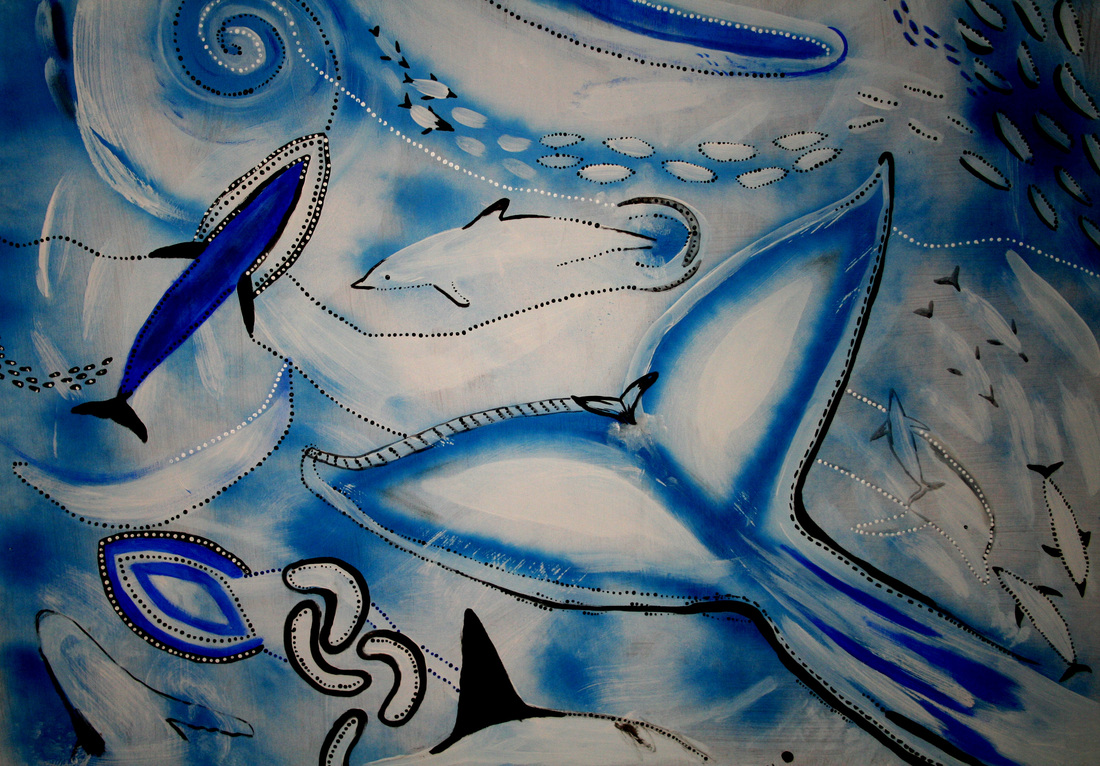
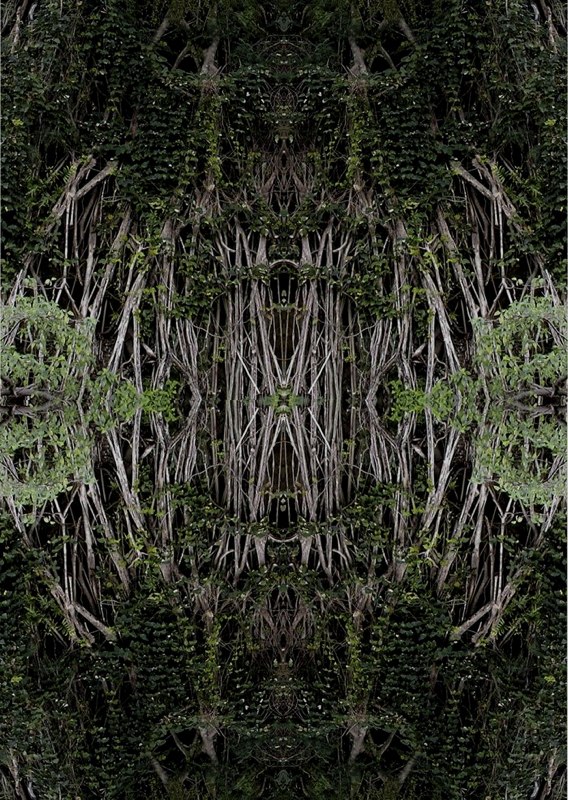
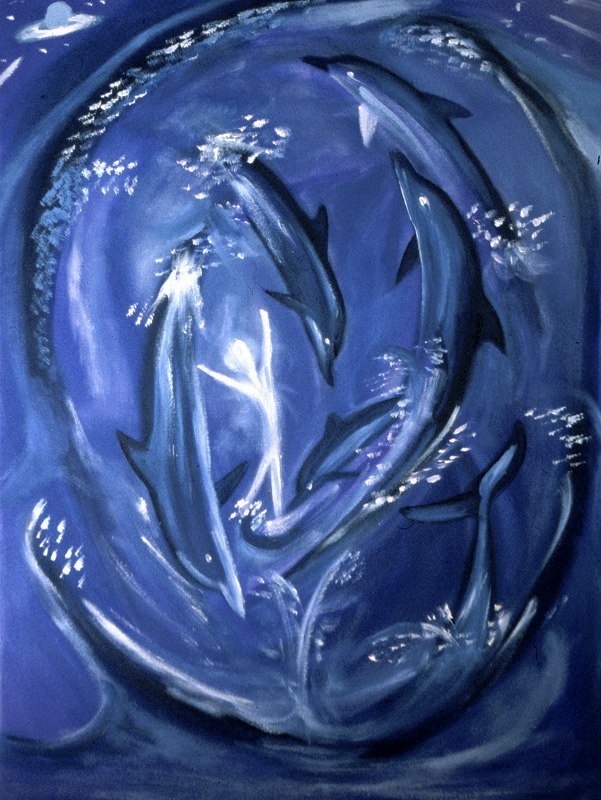
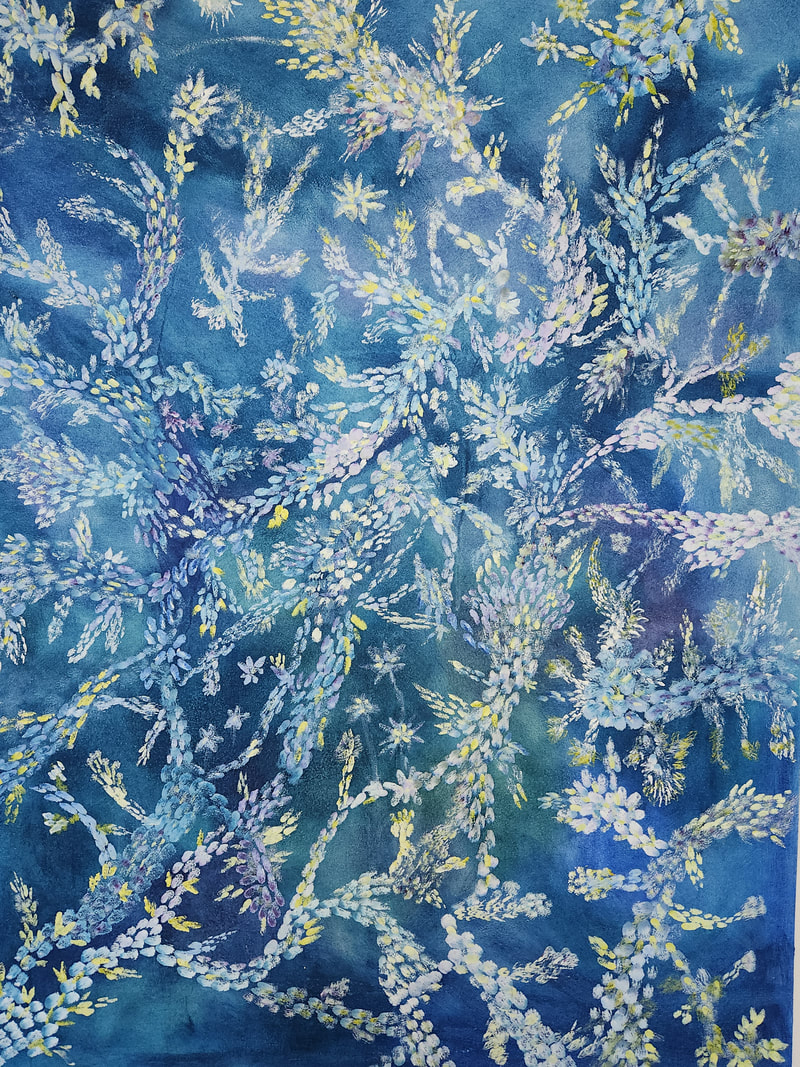
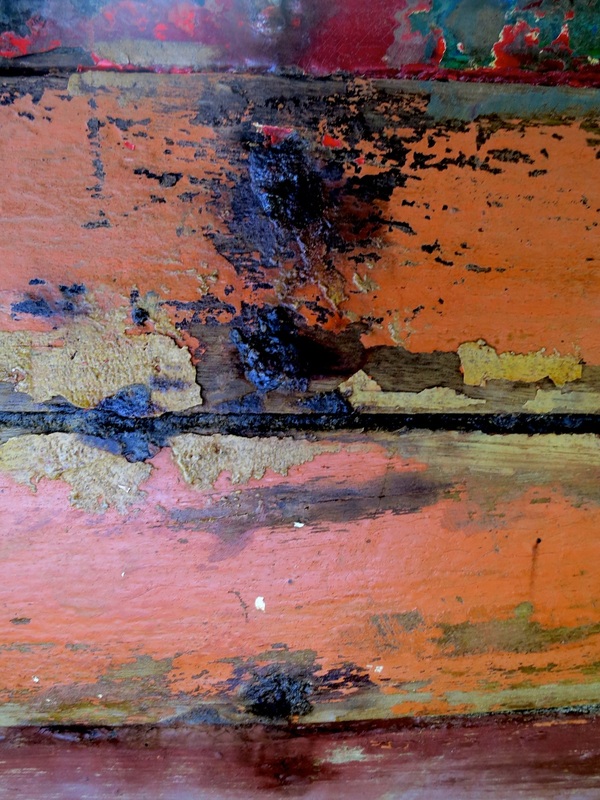
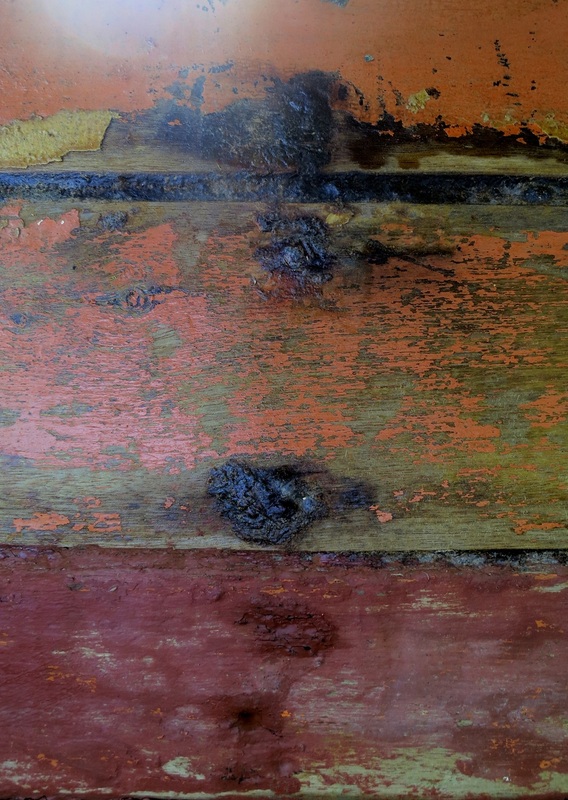
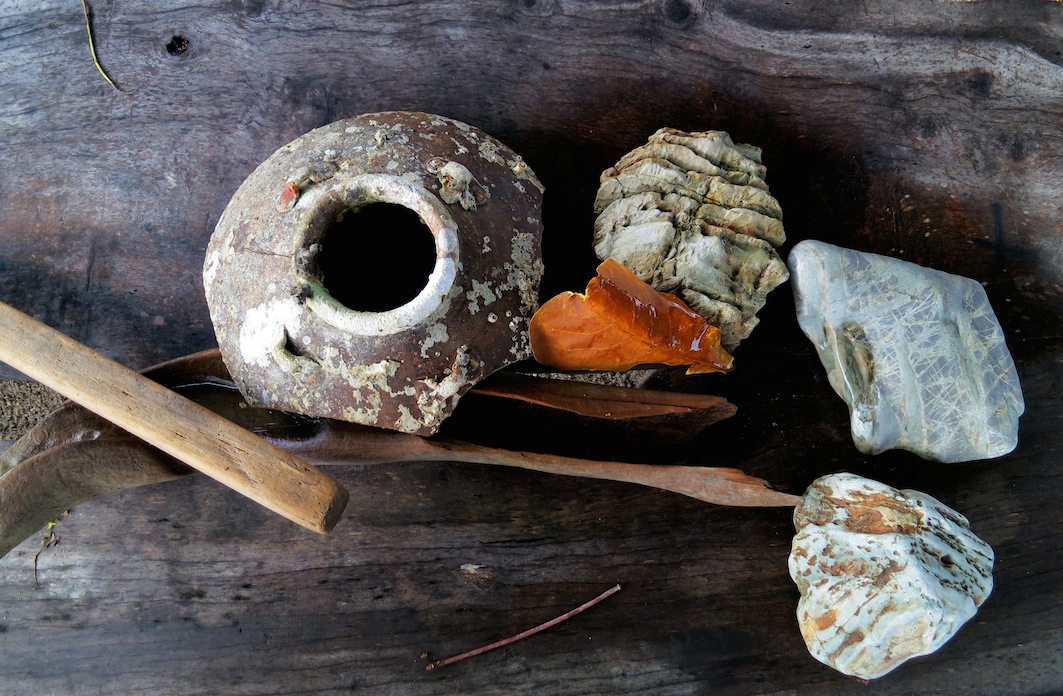
Five bodies of work, most of them starting underwater and ending somewhere else entirely — equally at the center of things as anything below. Click a cover to open its full gallery page.

Ephemeria — A Manifesto

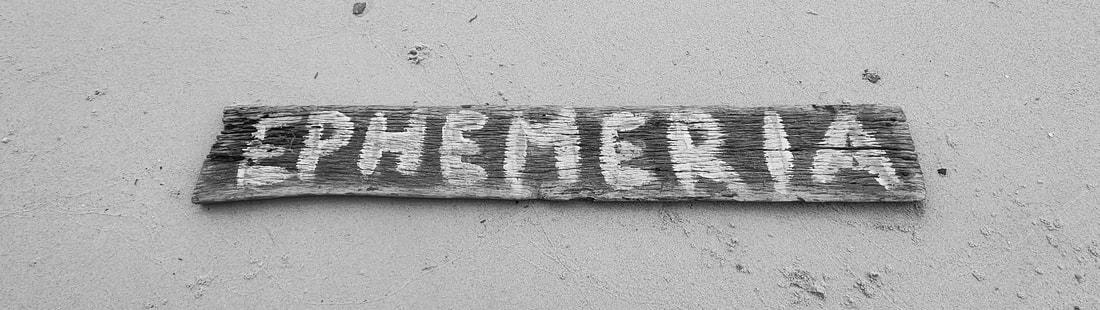
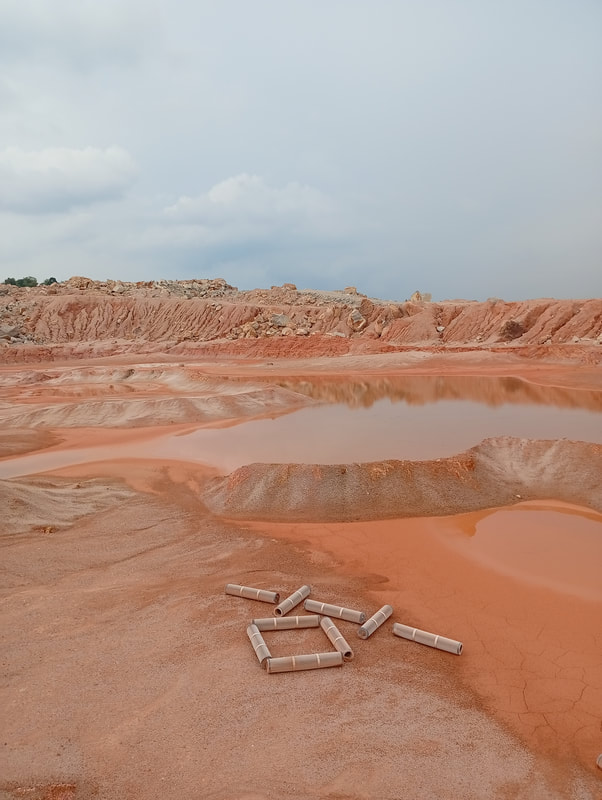
Ephemeria — the movement's work
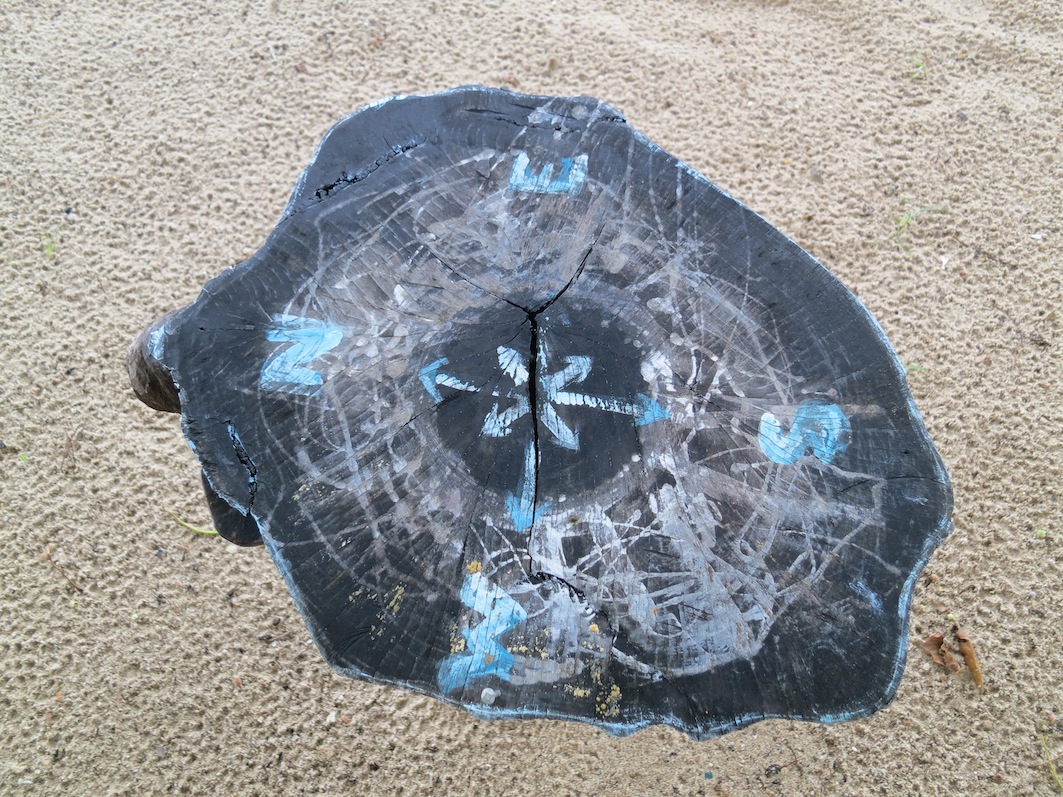
Ephemeria, in progress.

Ephemeria: A Manifesto

  1. We declare permanence a failure of nerve. The museum preserves because it is afraid of the moment; we are not.
  2. Every Ephemerist work carries its own death inside it. This is not tragedy. This is design.
  3. We reject the collector, the archive, the reproduction. What can be owned was never truly seen.
  4. Time is our only material. Sand, ice, light, chalk, breath — these are merely time's disguises.
  5. A photograph of the work is not the work. It is a tombstone, and we do not build tombstones.
  6. The spectator is not outside the work — the spectator's unrepeatable attention is the work. Look away, and it is already gone.
  7. Scarcity of object made art a commodity. Scarcity of time makes art a moment — and moments cannot be bought.
  8. We do not create for posterity. Posterity is a room full of people who were somewhere else.
  9. To make something built to vanish is not despair — it is the most honest act available to a maker who knows they, too, will vanish.
  10. Ephemeria has no headquarters, no archive, no permanent collection. If you find evidence of it later, you have found only its ghost.

Ephemeria: an avant-garde of vanishing

Ephemeria declares itself against the museum's oldest promise — that art endures. It positions itself as an avant-garde not by inventing a new material or technique, but by inventing a new relationship to time: the work is made to be lost, and its loss is the point. Where Futurism worshipped speed and Dada worshipped rupture, Ephemeria worships disappearance — it treats impermanence not as a limitation to be engineered around but as the movement's central aesthetic weapon, a deliberate refusal of the art market's demand for objects that can be owned, stored, and resold.

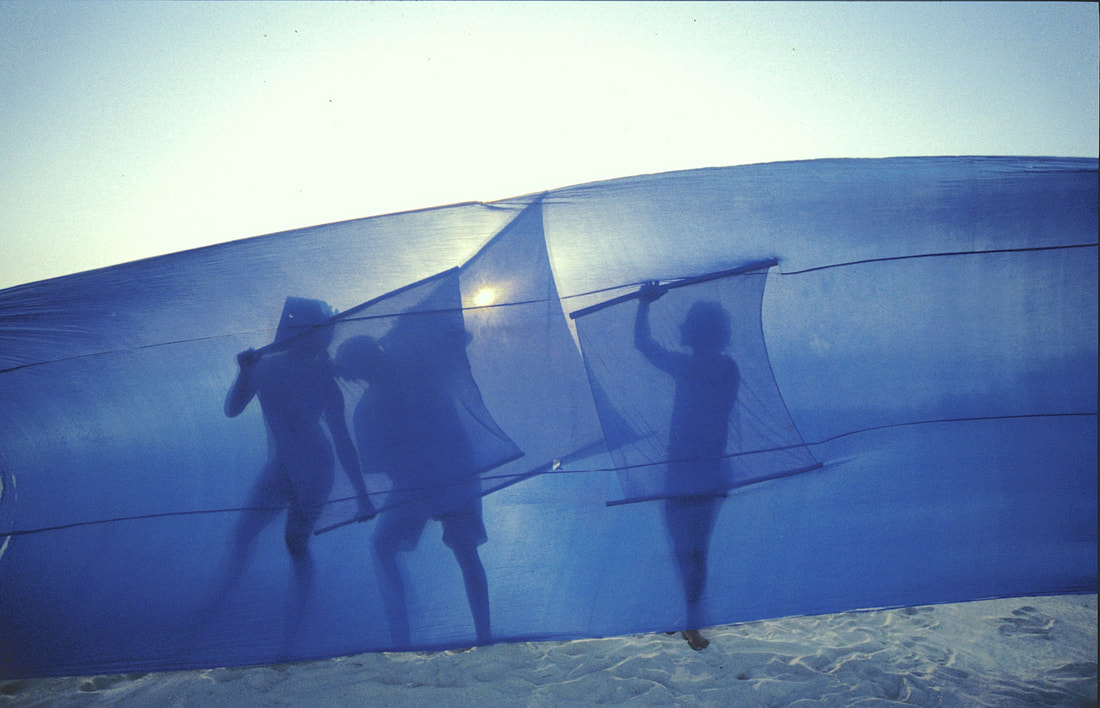
An Ephemerist work might be a chalk drawing left for rain, a sculpture of ice or salt, a performance with no recording, a structure built to be dismantled by the very forces that formed it. What unites these gestures is a claim: that value produced by scarcity-of-time is more honest than value produced by scarcity-of-object. The avant-garde force of Ephemeria lies in its attack on spectatorship itself — it will not let you return to it later, will not let you possess a copy, will not let a photograph substitute for having been there. It insists that the viewer's undivided, unrepeatable attention is not incidental to the work but is, in fact, the work's real material — meaning the true medium of Ephemeria was never the sand or ice or paint, but the finite human moment in which someone chose to actually look.

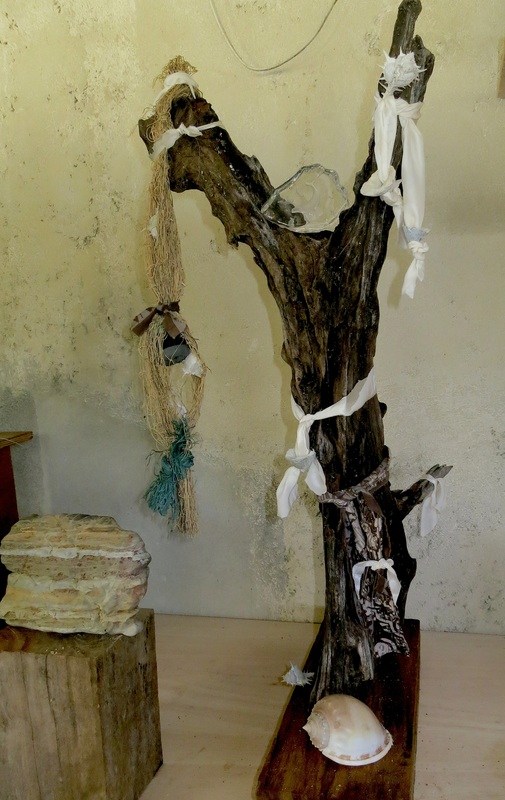
On Knots: "Sea knots, tangled in the brine, worn tight by hands and endless time. Waves cradle threads of salt and sand, whispered tales from distant lands. Knots once firm, now frayed and loose, bound by stories."

Ephemeria Ephemeria
20 works — view full gallery →

By Year & Series

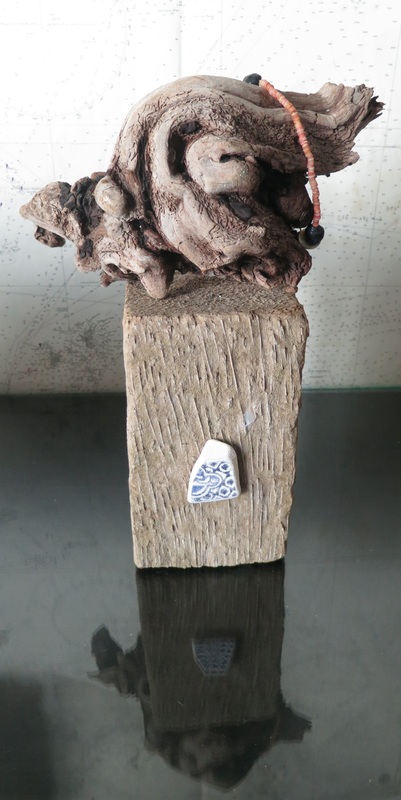
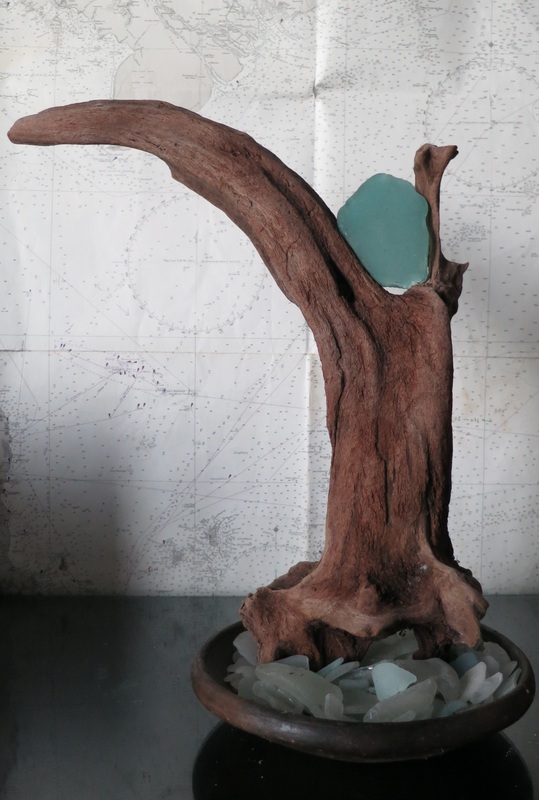
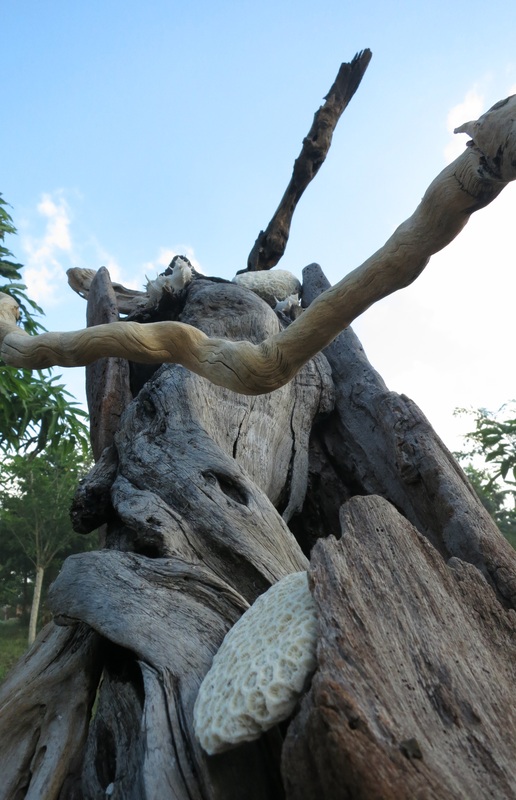
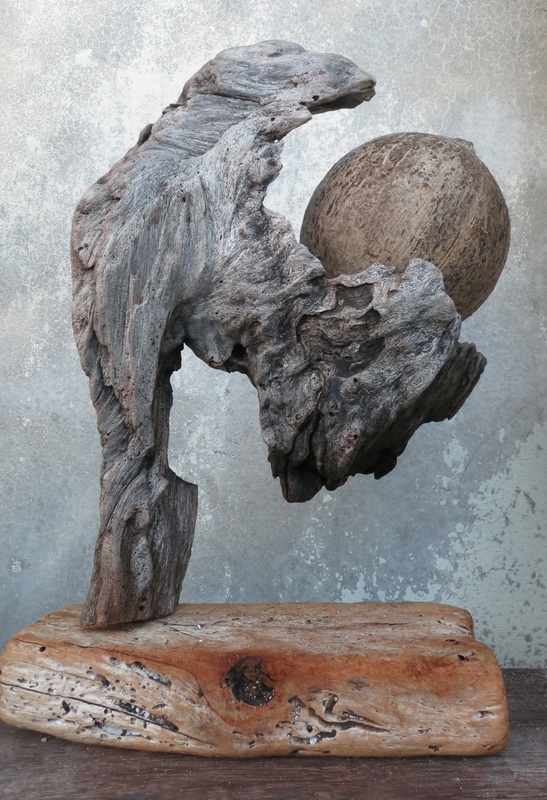
Sculpture

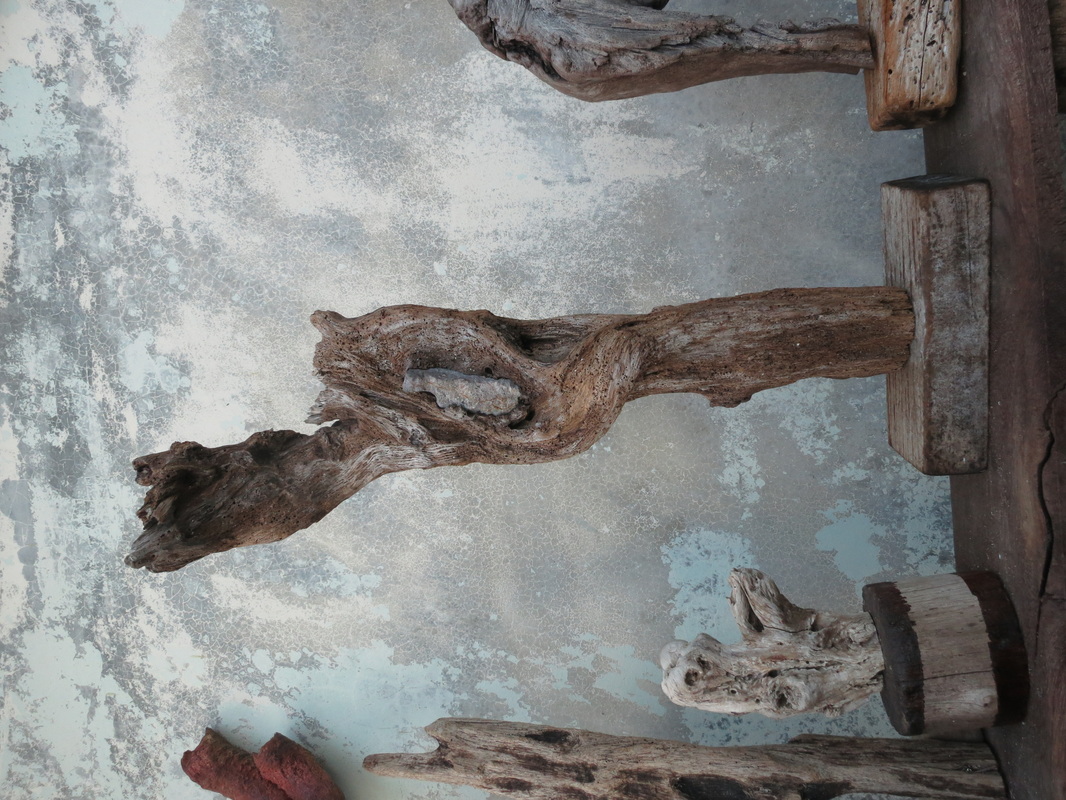
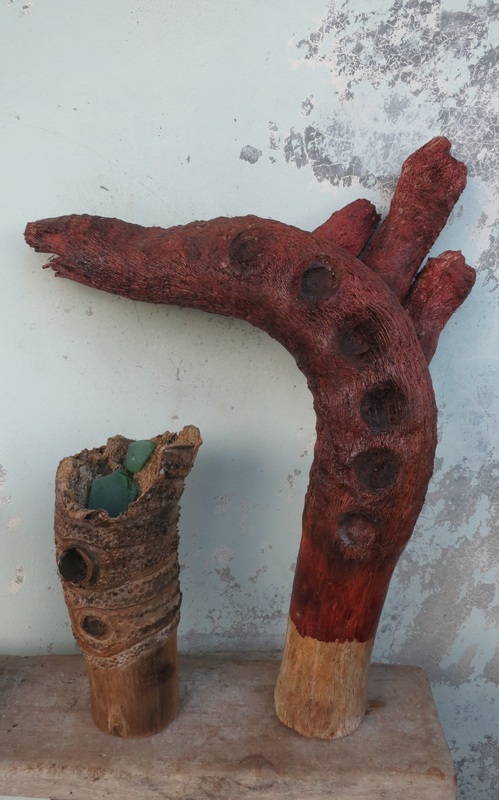
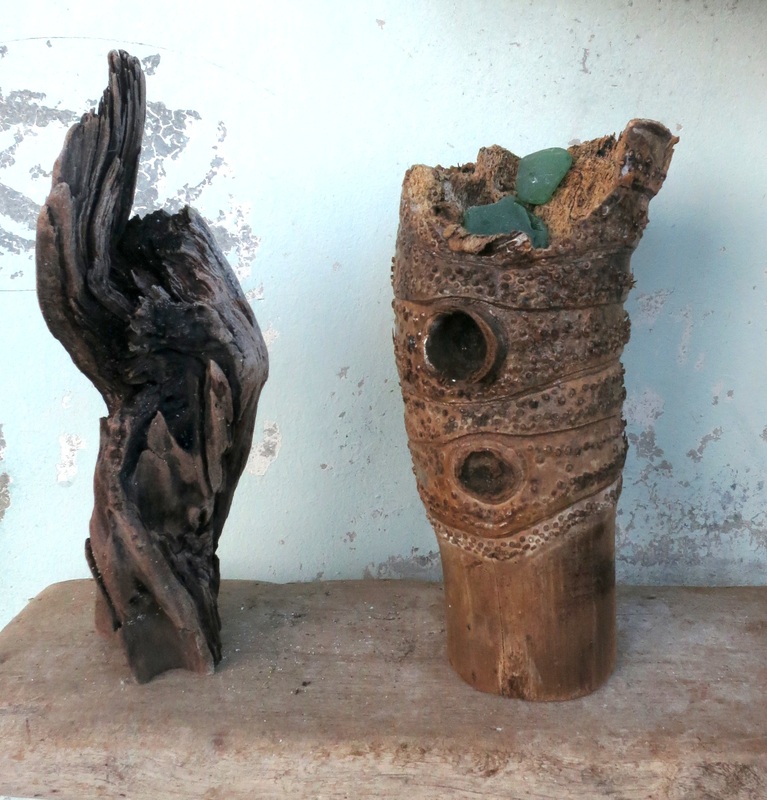
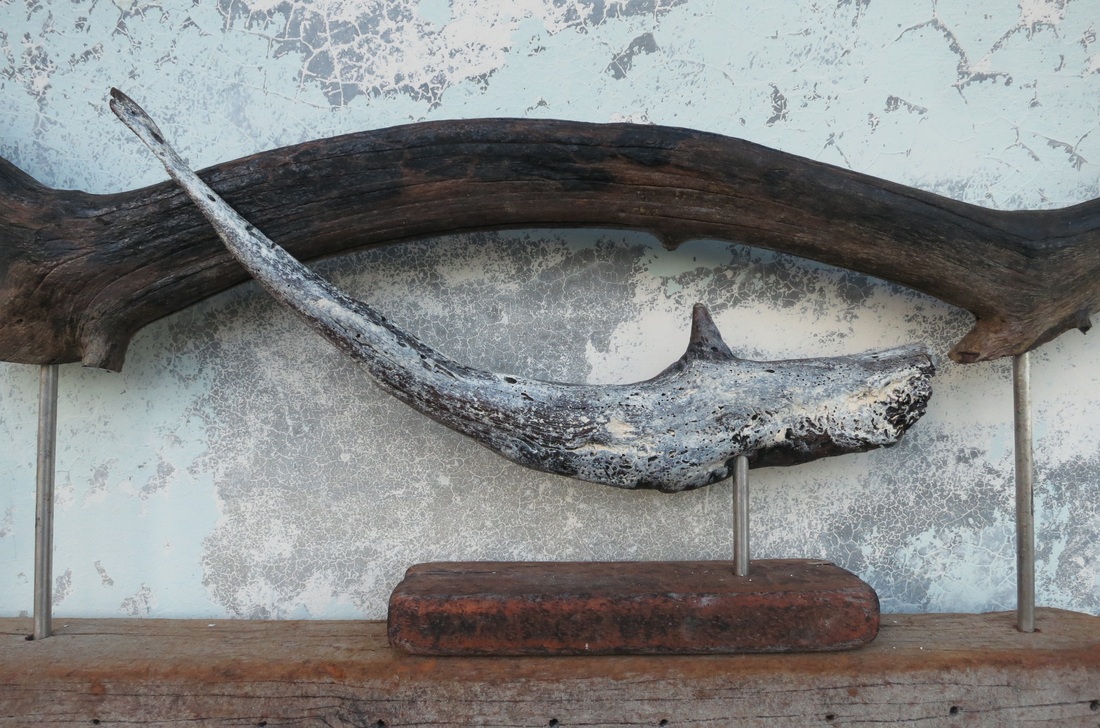
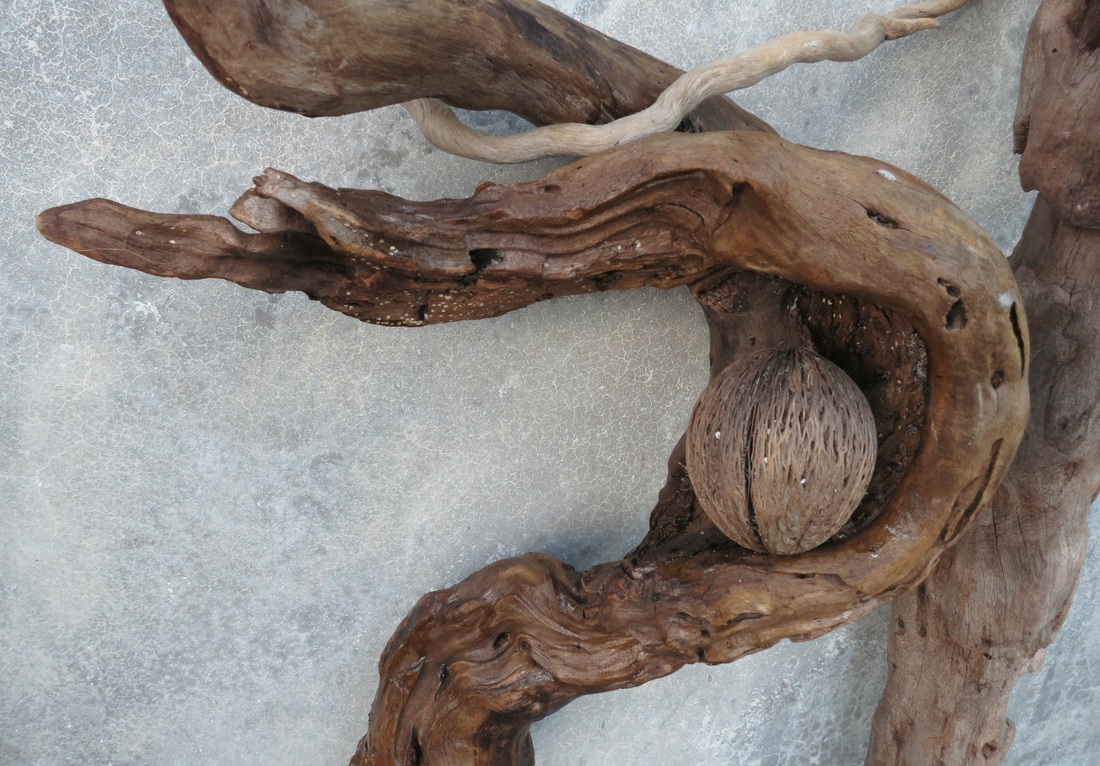
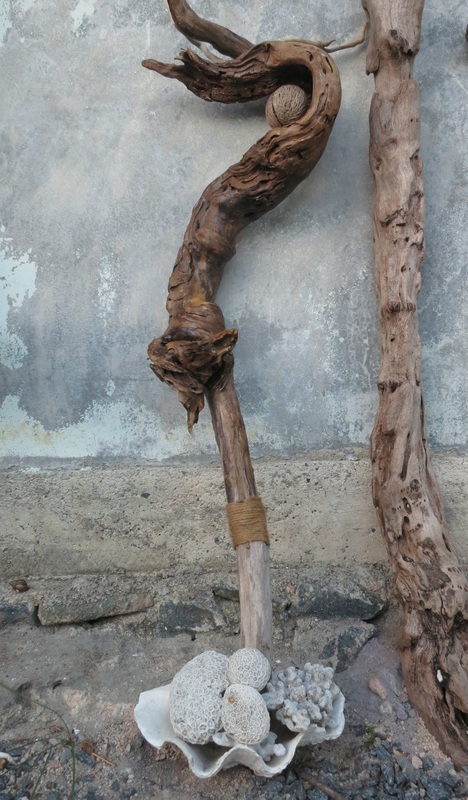
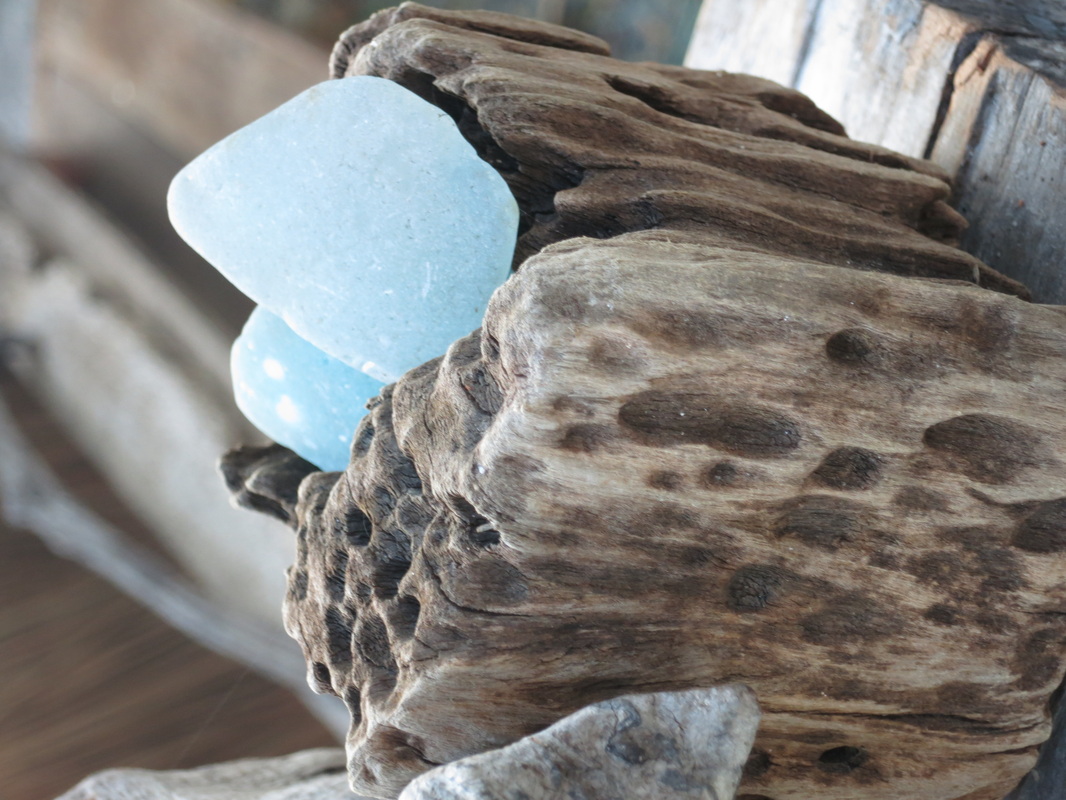
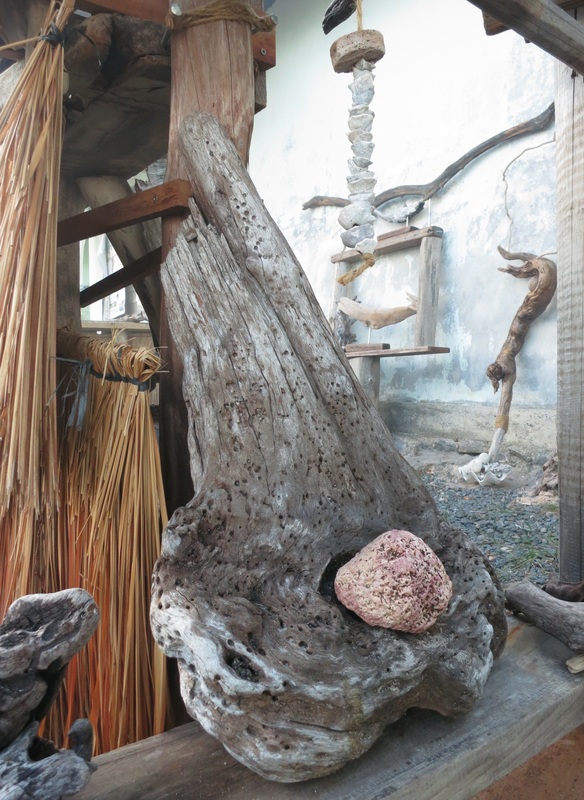
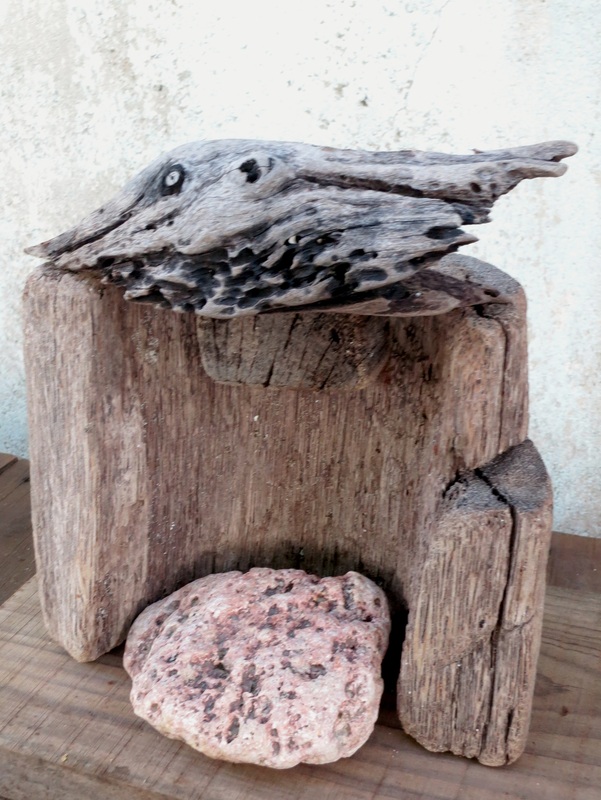
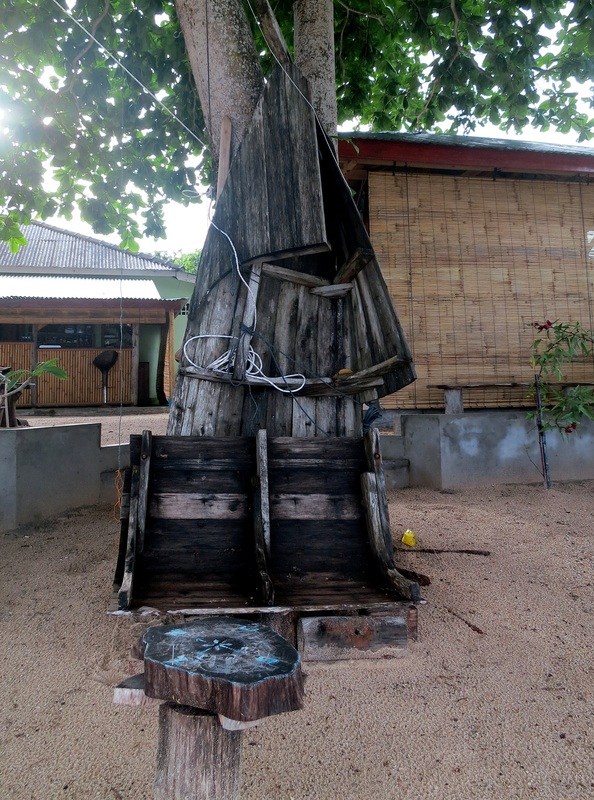
Wood, sun, salt and time — pieces meant to keep changing after they leave the workshop.

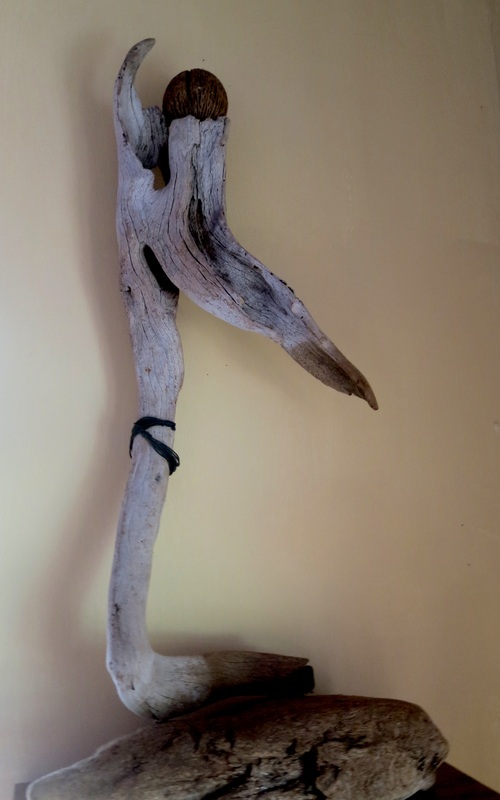
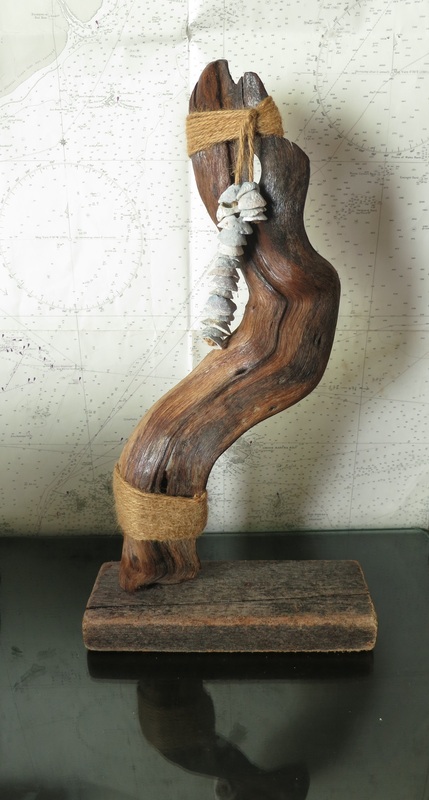
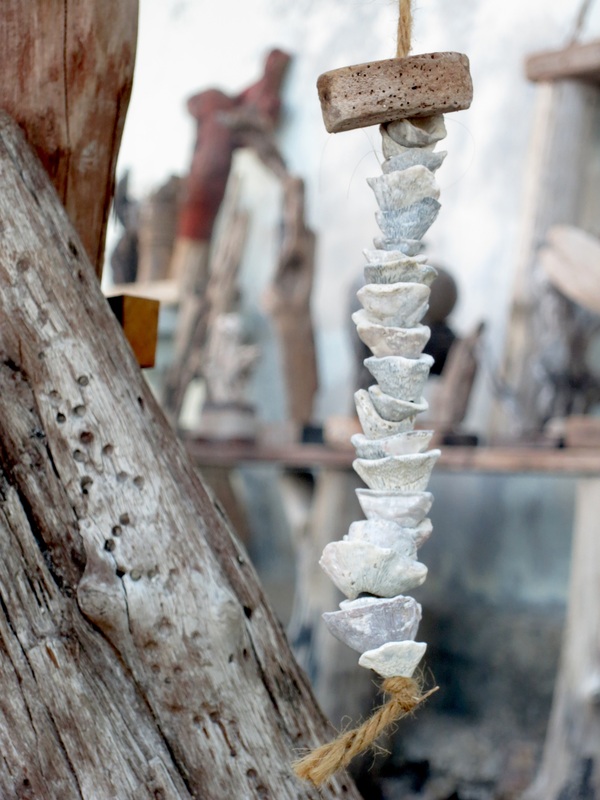
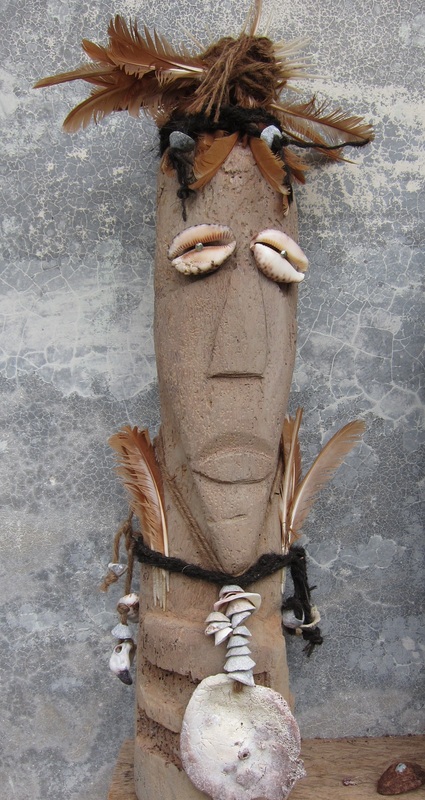
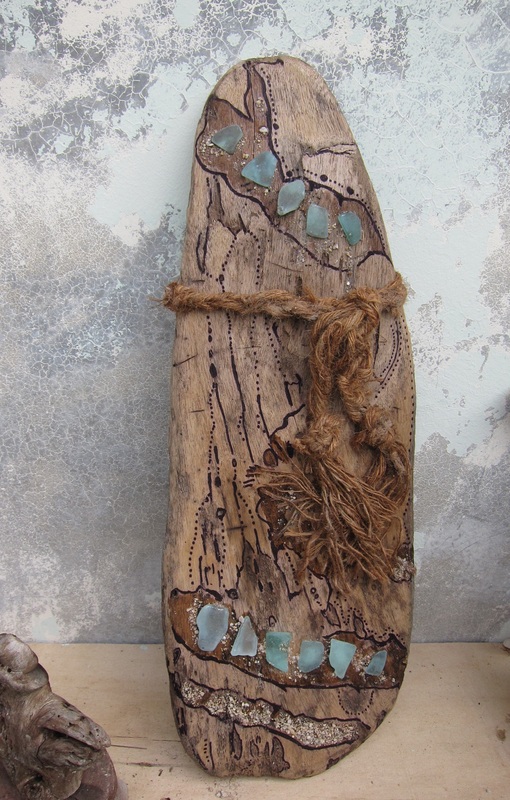
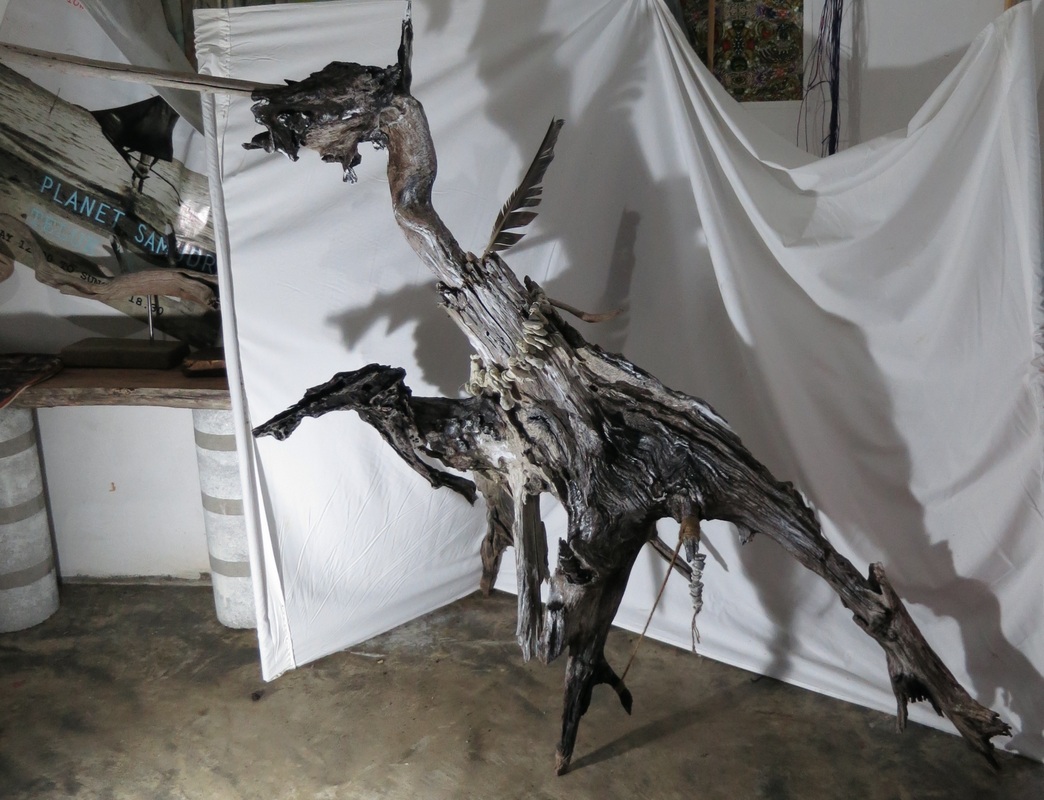
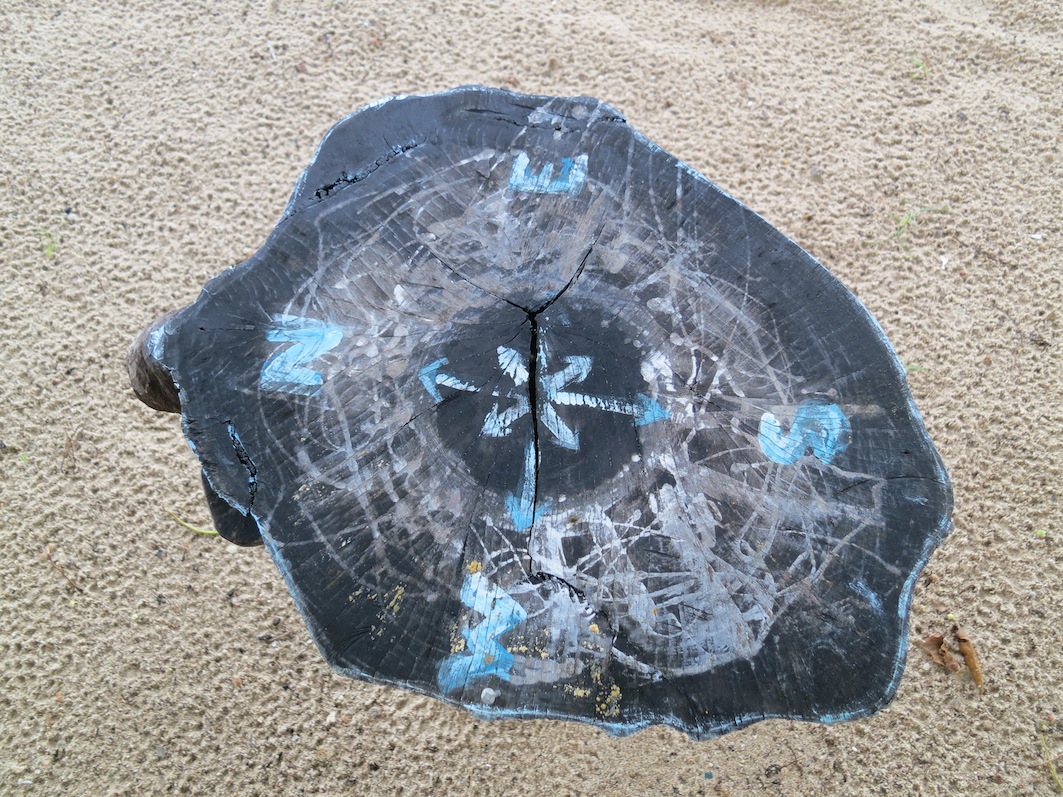
"Inspiration that acts as time pieces. Wind, waves, sand, sun all help shape the wood. The ropes will eventually decay as well — maybe not in one's lifetime, but are nonetheless a possible contemplation on impermanence."

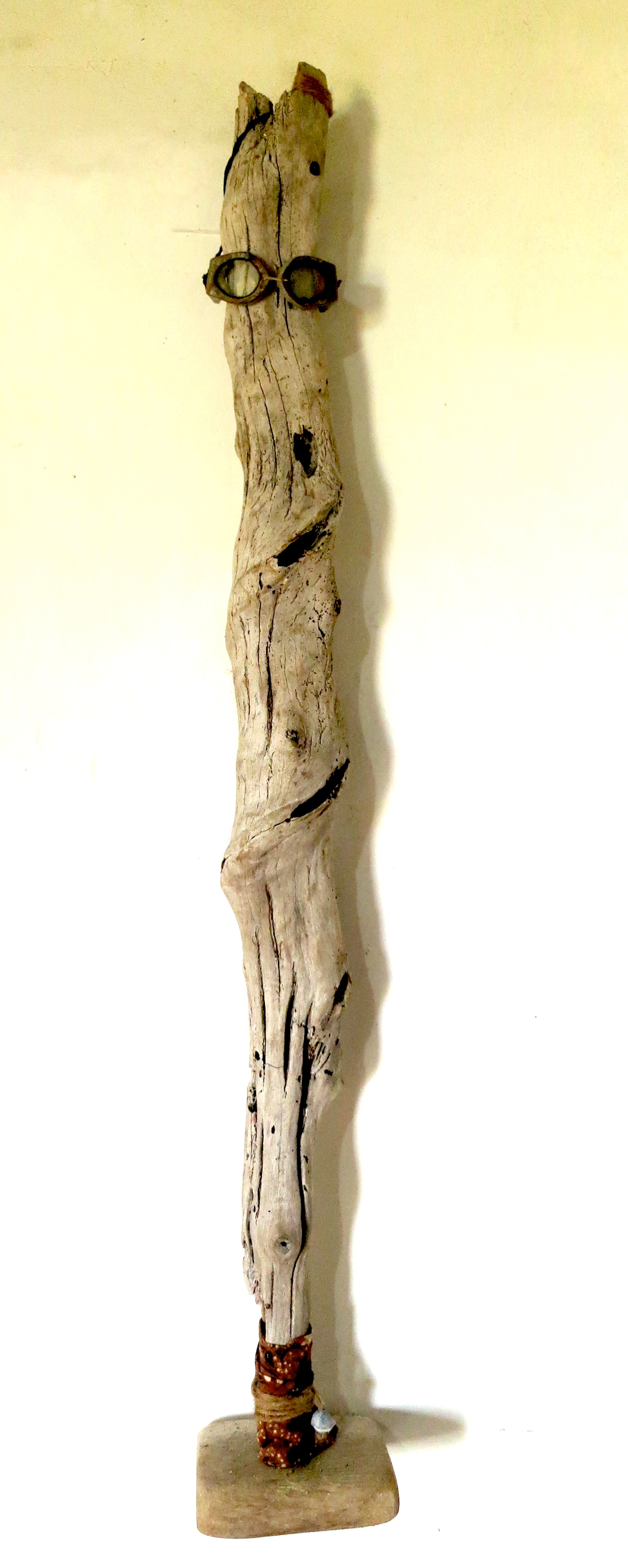
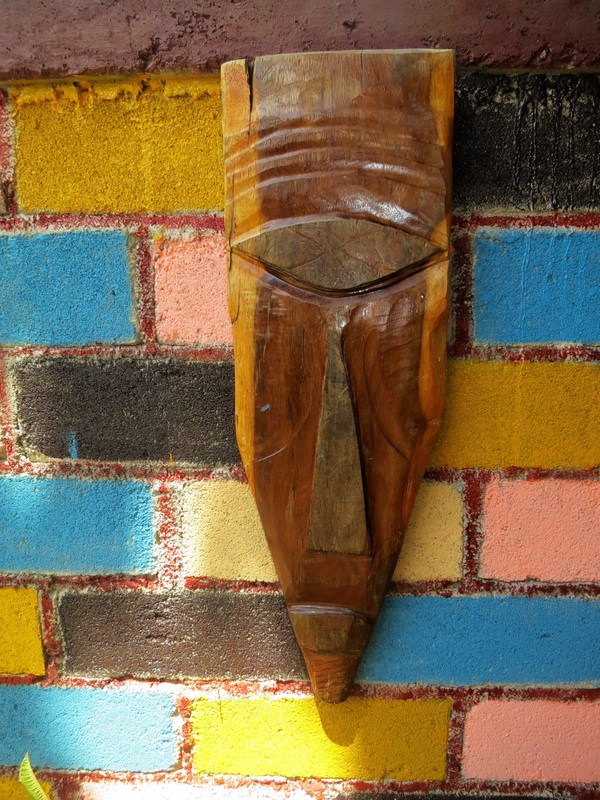
"A trio of 'Tiki', inspired by the Pacific ocean winds."
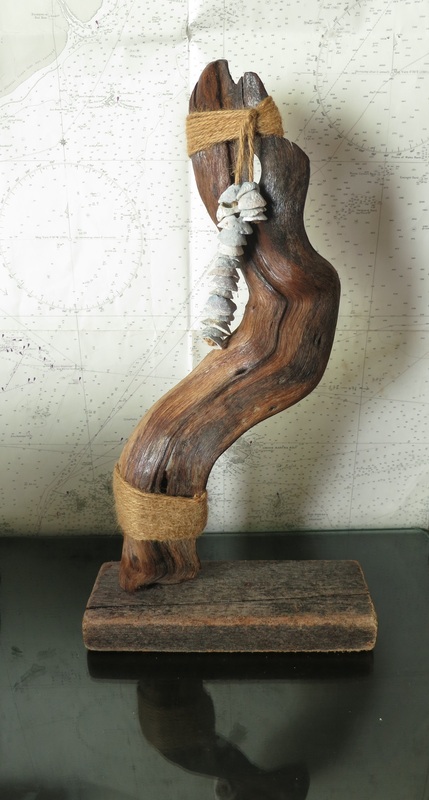
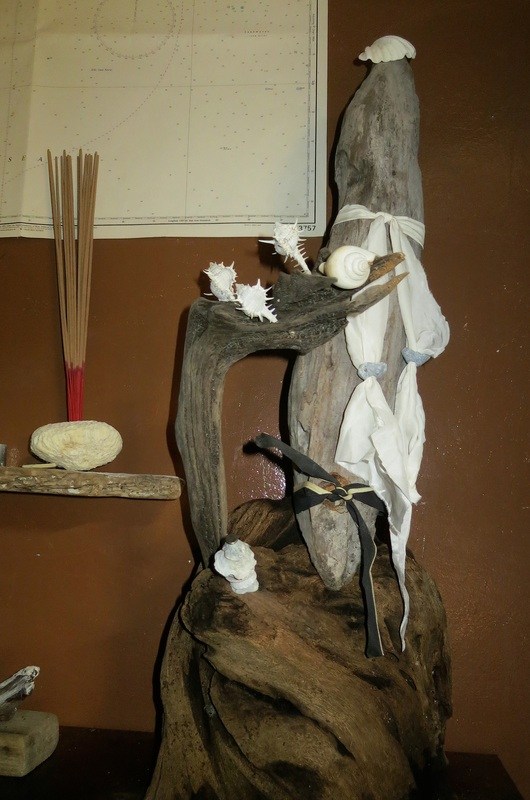
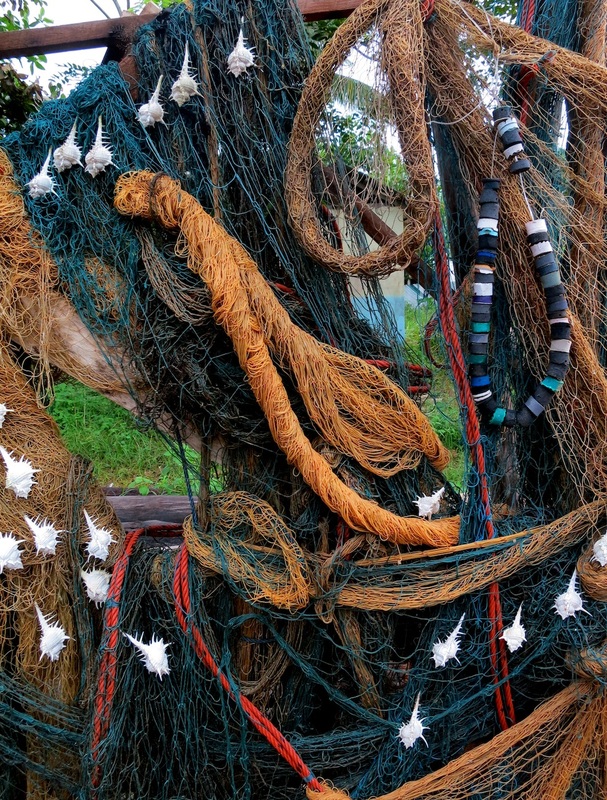
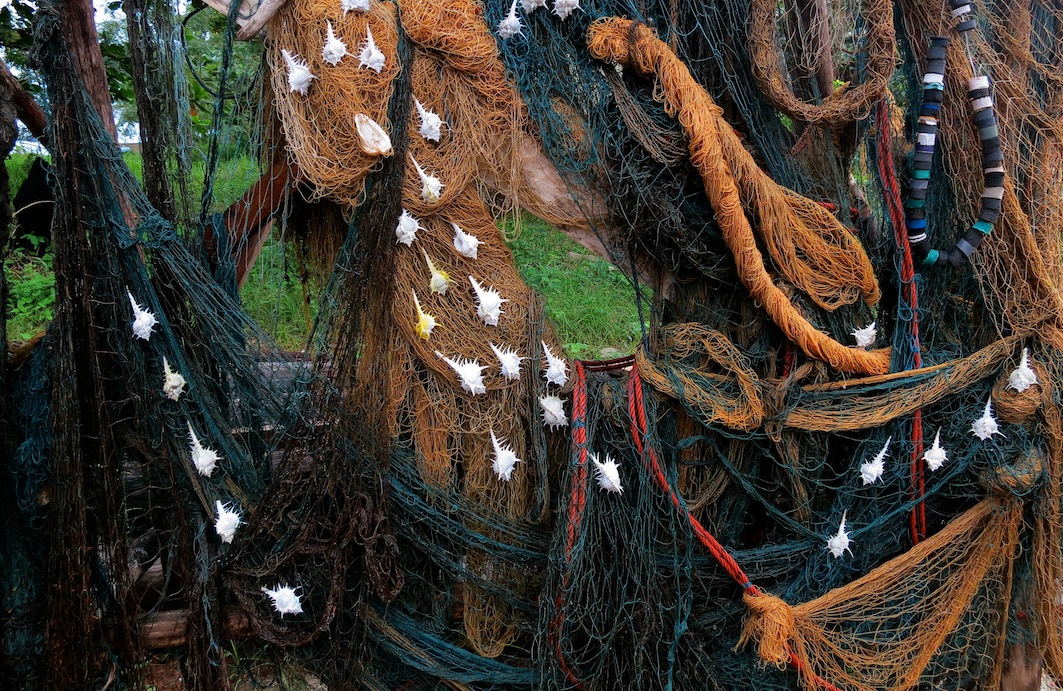
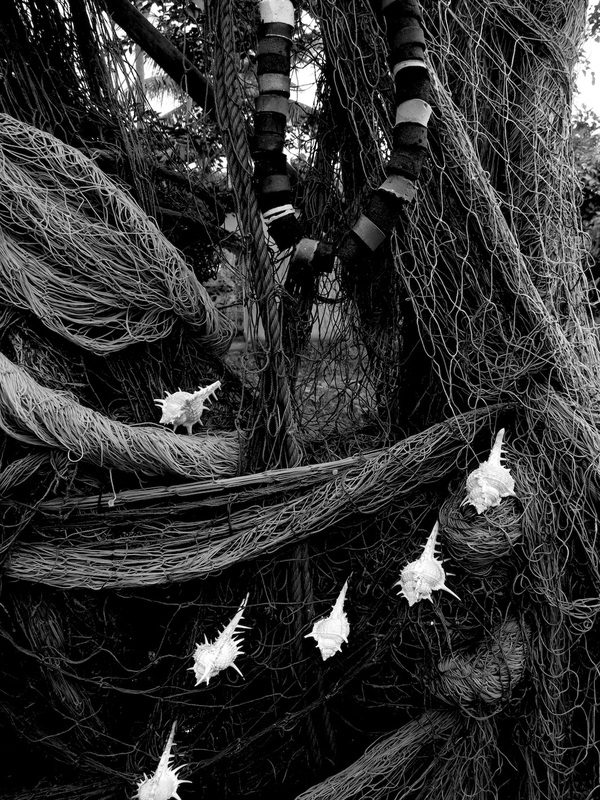
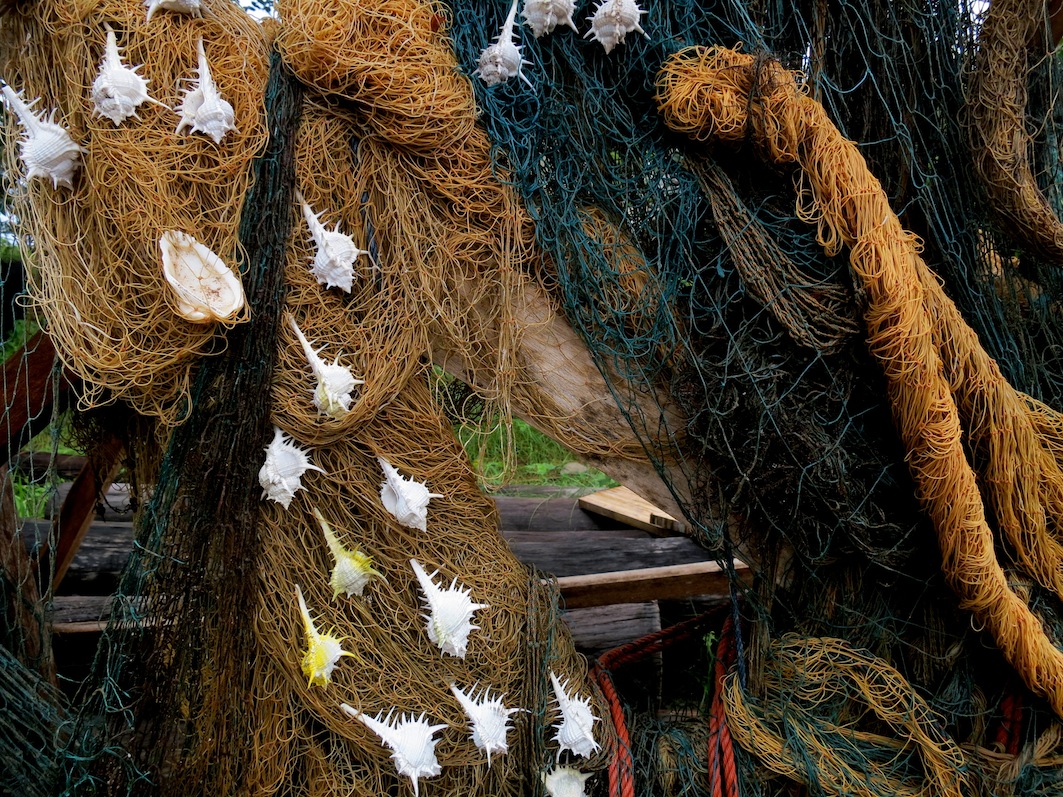
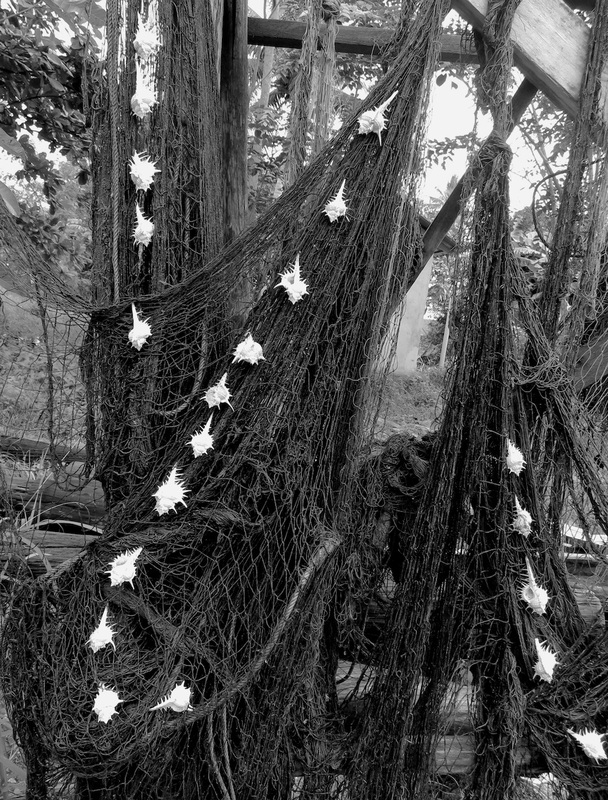
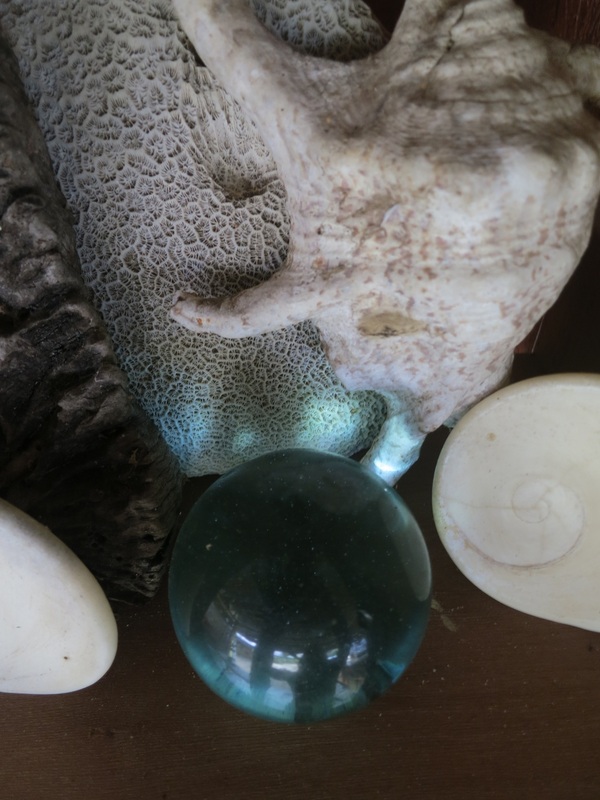
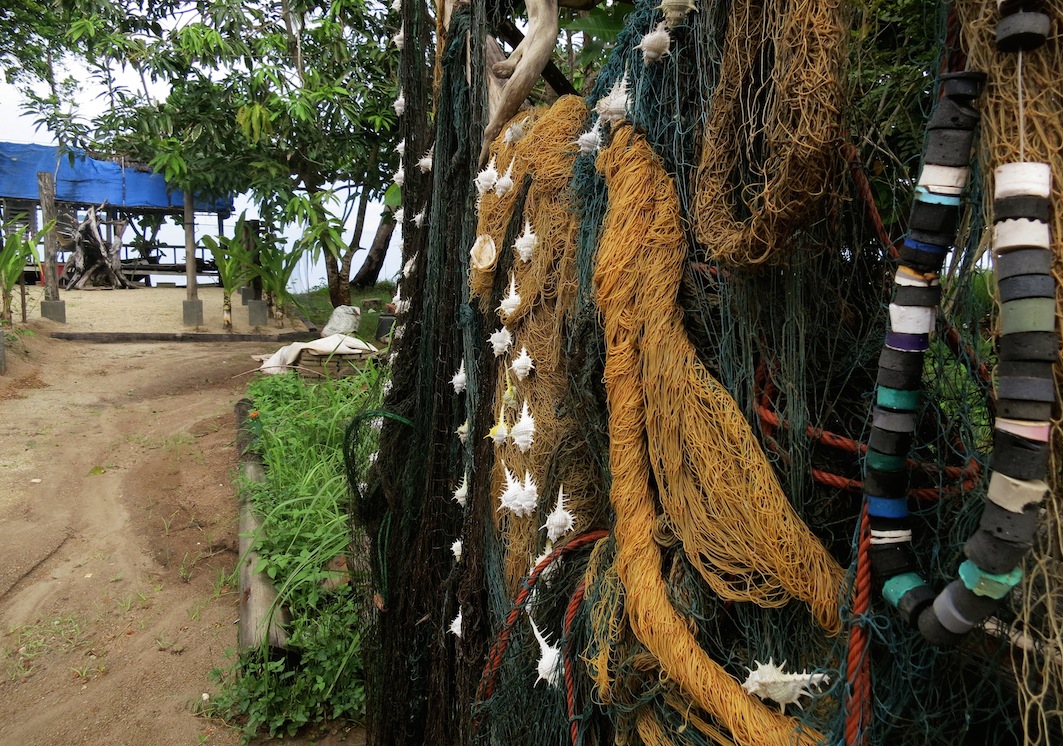
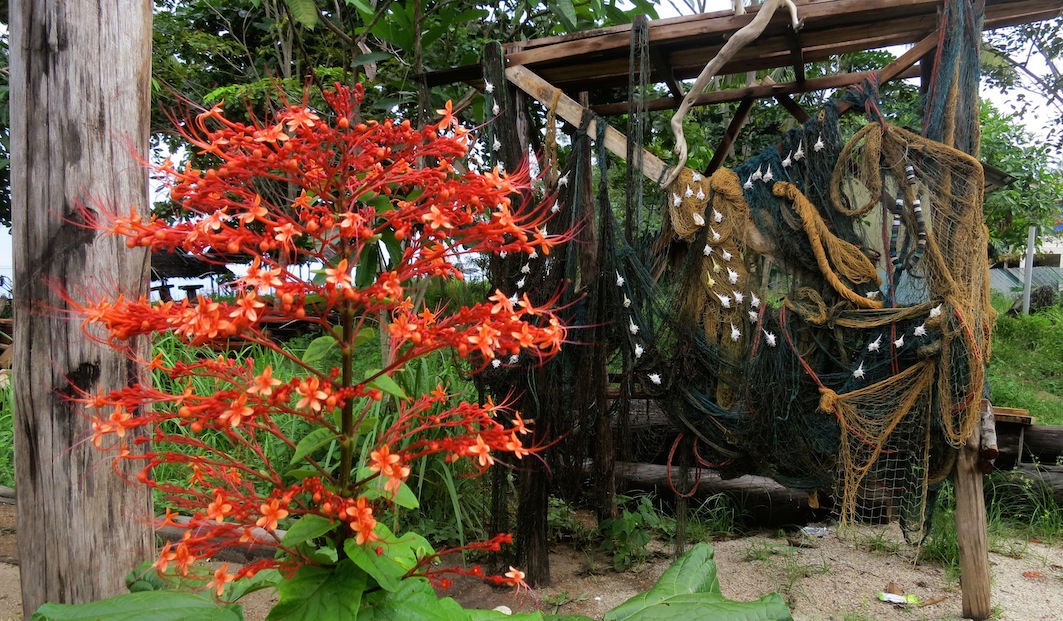
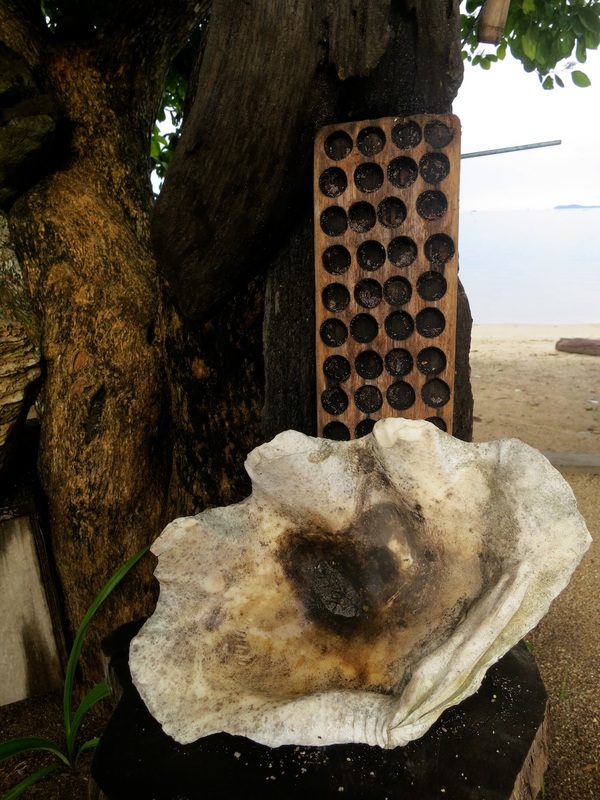
Nets and Shells — Transformation of Perception. "The nets are ghost nets taken off a reef, the shell discarded from a fishing village beach, and old sampan wood. The main idea is to transform the dangerous and considered waste into an object worth spending time with."
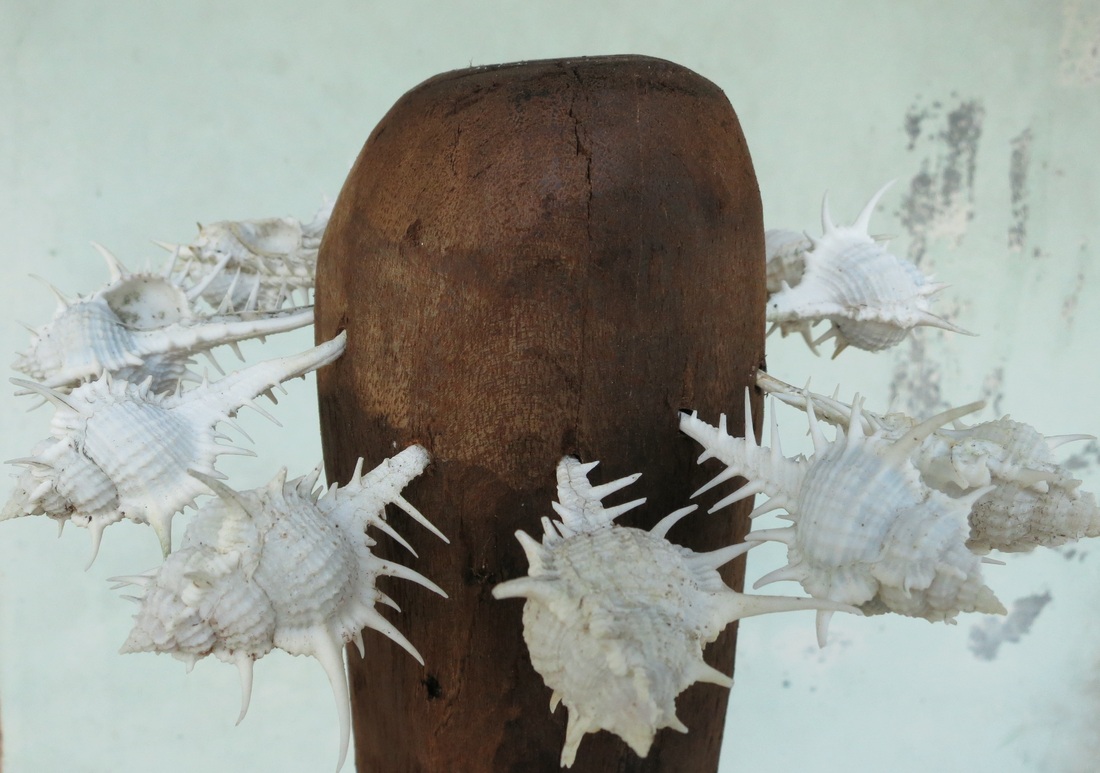
The Tiki & wood pieces

Wooden sculpture
Wooden sculpture
Wooden sculpture
Wooden sculpture
Wooden sculpture
Wooden sculpture
Wooden sculpture
Wooden sculpture
Wooden sculpture
Wooden sculpture
Wooden sculpture
Wooden sculpture
Wooden sculpture
Wooden sculpture
Wooden sculpture
Wooden sculpture
Wooden sculpture
Wooden sculpture
Wooden sculpture
Wooden sculpture
Wooden sculpture
Wooden sculpture

Nets and Shells

Nets and Shells
Nets and Shells
Nets and Shells
Nets and Shells
Nets and Shells
Nets and Shells
Nets and Shells
Nets and Shells
Nets and Shells
Nets and Shells
Nets and Shells
Nets and Shells
Nets and Shells
Nets and Shells